Chayhana (https://chayhanaorlando.com/) is an Uzbek restaurant that serves authentic Uzbek and Central Asian food, all of which is halal. It is located at 851 State Road 436, #1027, Altamonte Springs, FL 32714, in the long plaza at the intersection of State Roads 436 (Semoran Boulevard) and 434. I’ve had Uzbek food before, at Caravan Uzbek & Turkish Cuisine, but that’s all the way across town from me, in an area I never go. I was excited to finally try Chayhana, which is a lot closer. I’ve brought takeout home twice now, and it was great both times.
My wife is the biggest hummus aficionado I know. She loves hummus to the point where I wonder if I should be jealous of hummus. (With all honesty, I am very secure in our marriage, and I am always glad when she enjoys anything.) Not long after we both discovered the greatness of The Hummus Guy food truck in Maitland earlier this year, we realized Chayhana’s hummus was very different, but also terrific. They sprinkle theirs with some light seasoning, drizzle on olive oil, and top it with a few chick peas. 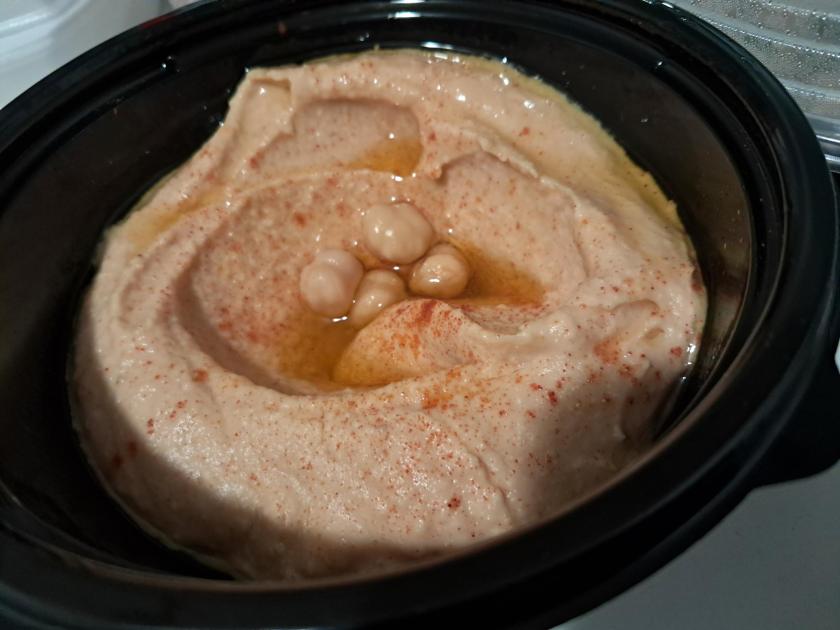 And if I may, what’s the difference between a garbanzo bean and a chick pea? The president has never paid to watch a Russian garbanzo bean. Hey-o!
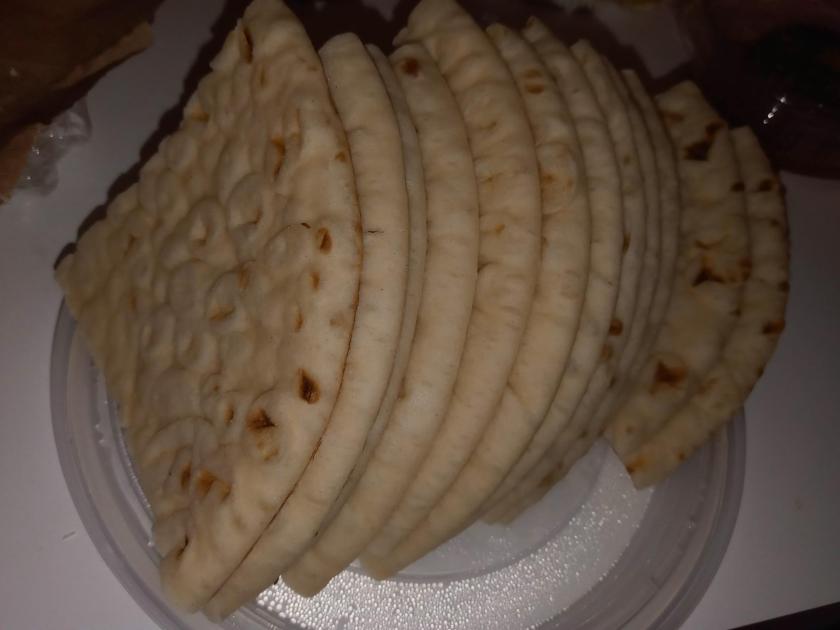
The hummus came with these warm, lightly grilled pita wedges for spreading or dipping. I consider myself a bit of a pita connoisseur, since there are good and bad kinds, and this is the good kind that gyros are often served on. You can buy the Kontos brand of this kind of pita at some places, like the halal Indian market Apna Bazaar, with locations on South Orange Blossom Trail and on 434 in Longwood.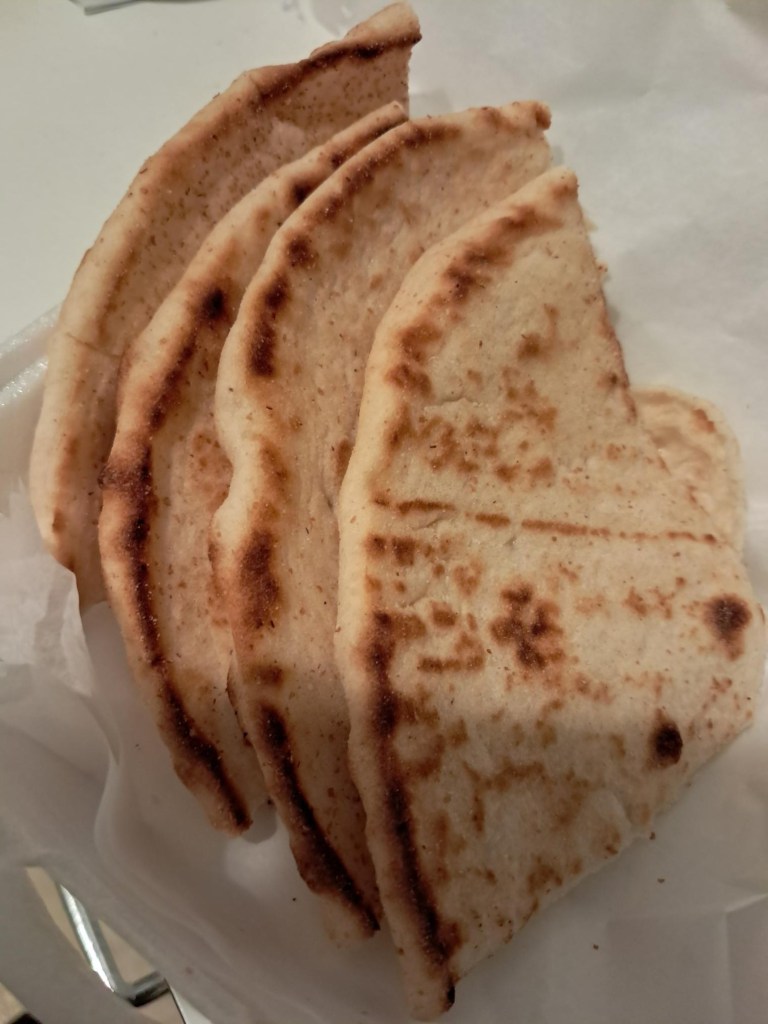
My wife also loves kasha, or buckwheat (o-tay!), a nutty and earthy grain that is toasted and then boiled until tender, kind of like couscous. I ordered her this grechka, which is warm buckwheat, sprinkled with parsley. 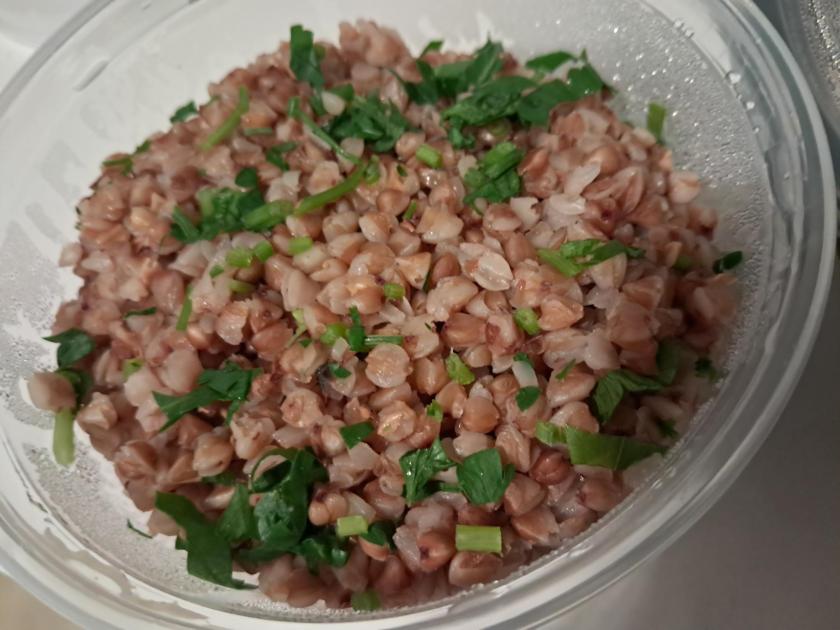
I ordered this pumpkin manty with her in mind. Manty are filled dumplings with a soft, thin, chewy, handmade dough wrapper, kind of like Chinese wontons, Italian ravioli, or Polish pierogi. These manty were much larger than any wontons, ravioli, or pierogi I’ve ever seen, though. And yes, they were stuffed with seasoned pumpkin, onions, and spices for a delicious dish vegetarians would love. Actually, anyone would love these. I thought they might be a bit bland, but they were anything but. And look at the pattern on the outside. They didn’t have to make them look that beautiful, but someone went to the trouble of doing that to all the manty! 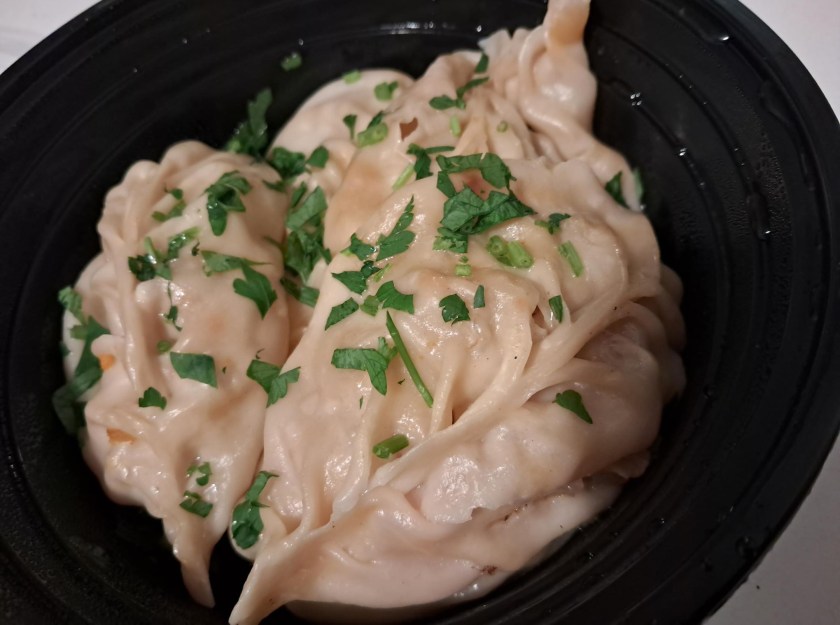
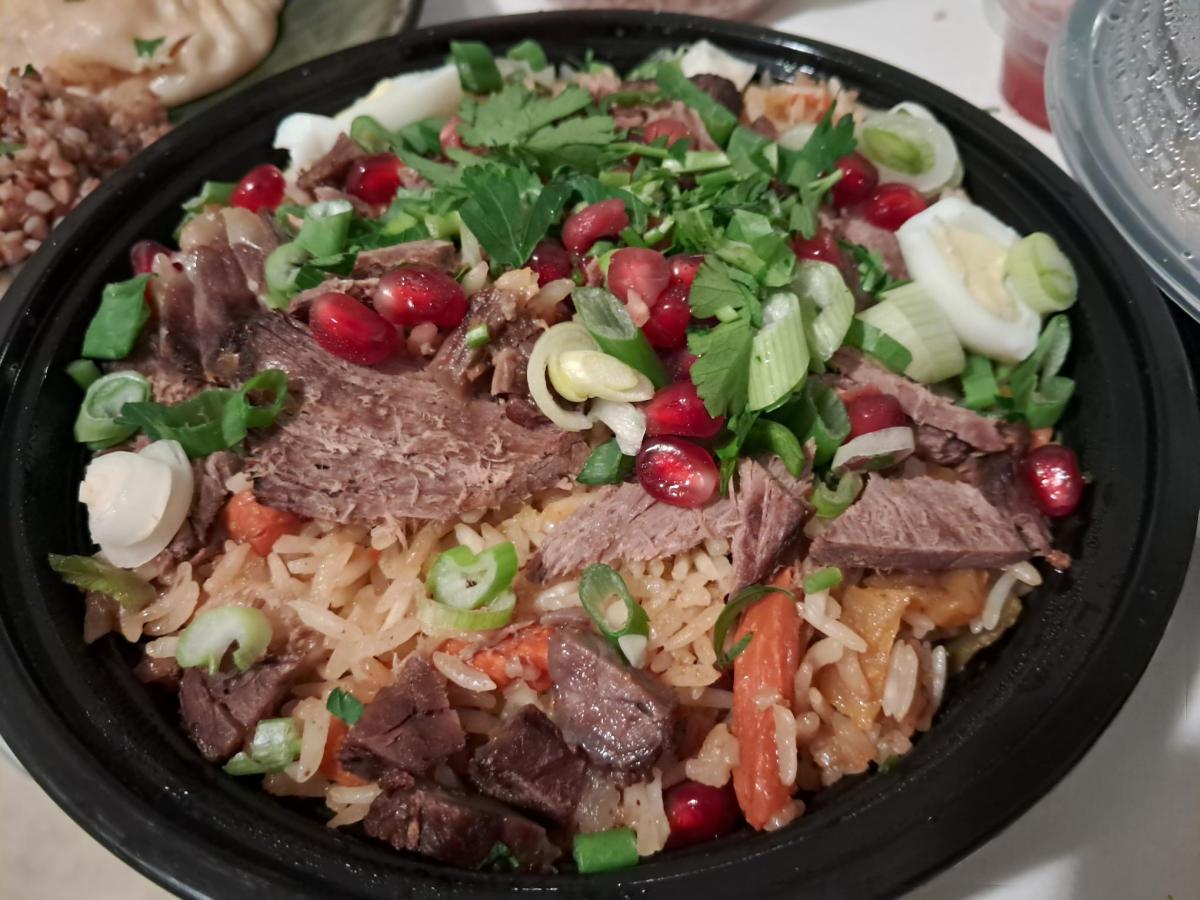
This dish is Chayhana’s best-seller, and you can see why. It is plov, a dish of fragrant, buttery fried rice cooked with halal-certified beef and lamb, carrots, onions, scallions, a hard-boiled quail egg, and pomegranate arils. It is gorgeous, isn’t it? It looks like Christmas, with the parsley, scallions, and shiny red pomegranate arils sparkling on top. It’s delicious, too. I preferred it to the similar rice dish at Caravan called to’y osh.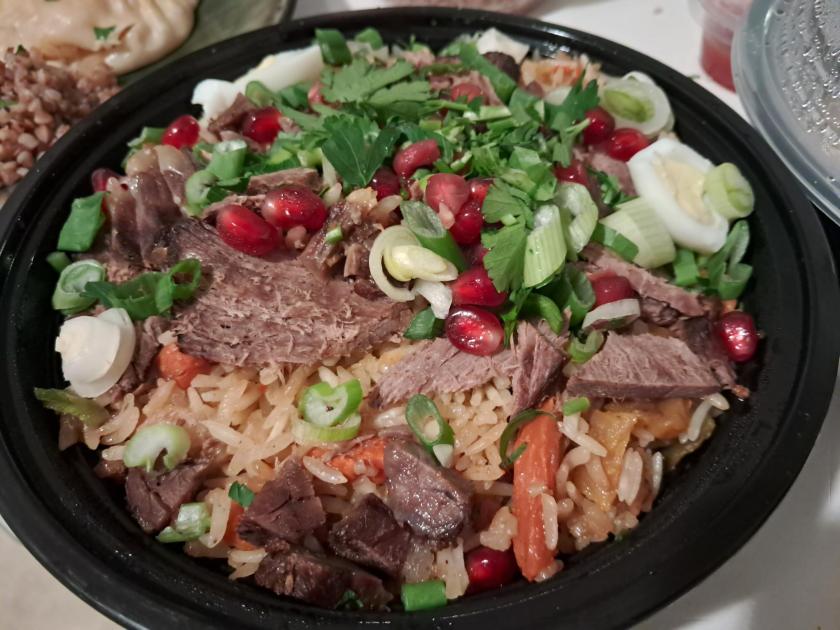 I mentioned this in my recent review of Gateway to India, but plov shares its etymology with a more familiar rice dish, pilaf (always so good and buttery from Turkish restaurants like Bosphorous and Istanbul Grill), and they both evolved from Persian pilau, along with Indian biryani, another beloved rice dish. I love that so much.
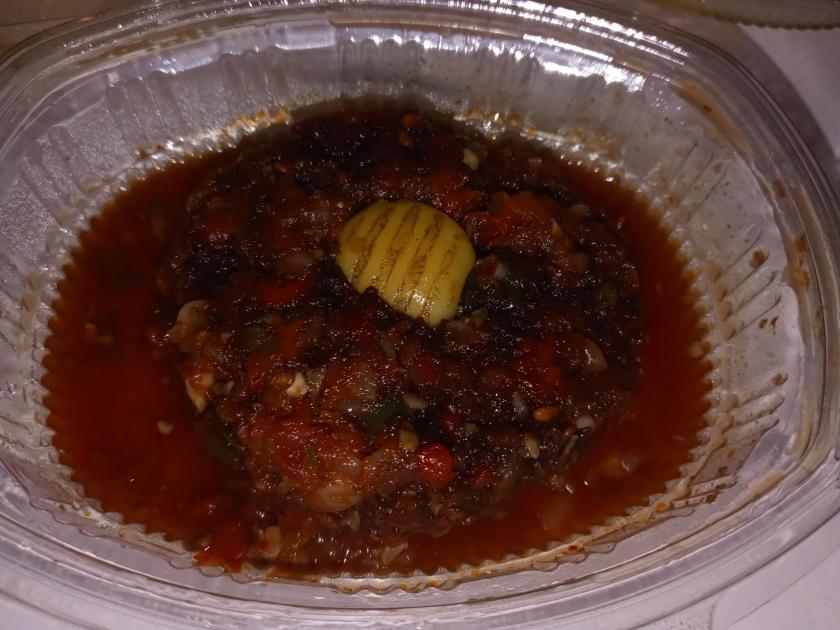
But that’s not all! I had to try the boso laghman, a dish of hand-pulled wheat noodles, halal beef, thin strips of an egg omelet, sauteed onions and bell peppers, and sprinkled with parsley and sesame seeds, all sauteed together in a savory sauce. Those are the omelet strips on top, not the noodles.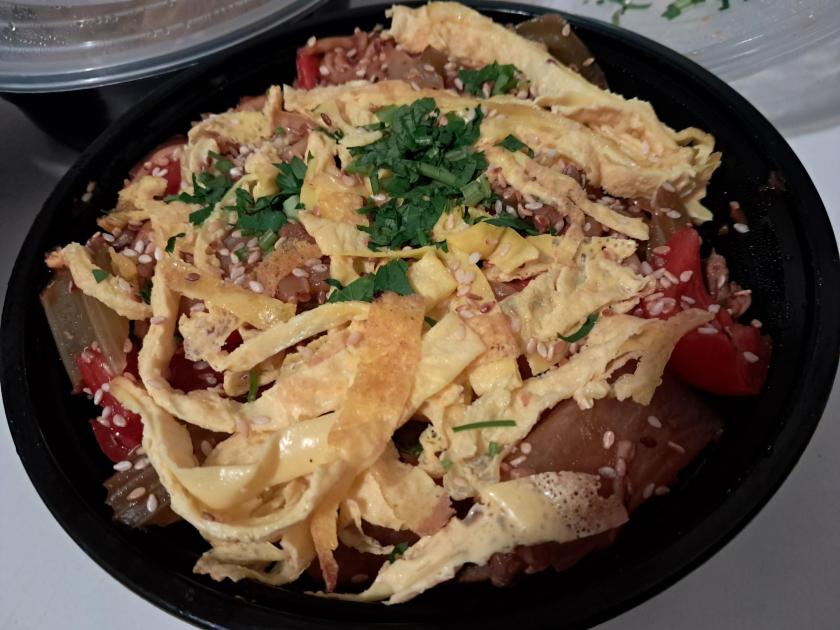
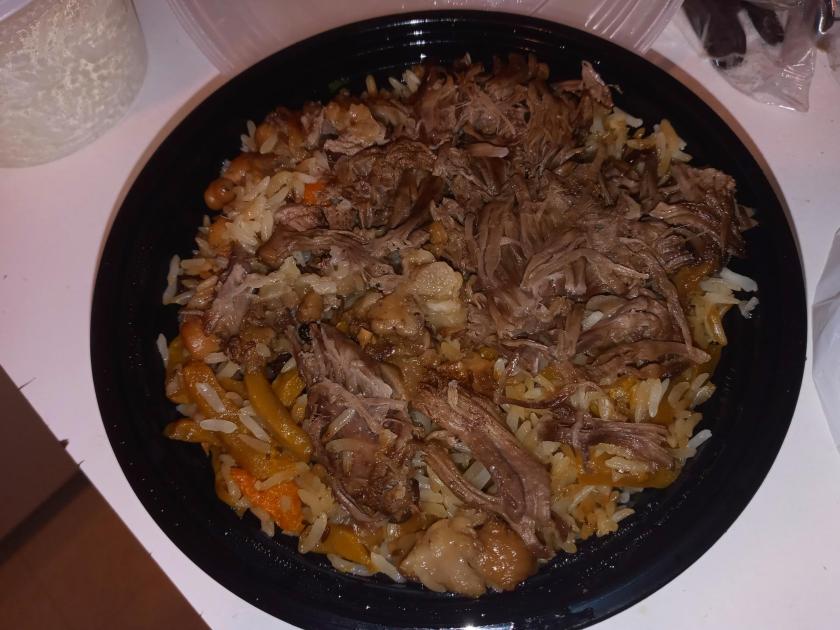
Here are the noodles, and they were so nice and chewy and al dente. The sauce gave everything the slightest smoky flavor. I also ordered laghman at Caravan, and while it was very good, I once again give the edge to Chayhana. I’ve mentioned in a few different reviews that the term laghman was derived from the Chinese lamian (like the wonderful, chewy noodles I reviewed earlier this year at SLAP! Hand Ripped Noodles), and that’s how we also got the Chinese lo mein and the Japanese ramen. 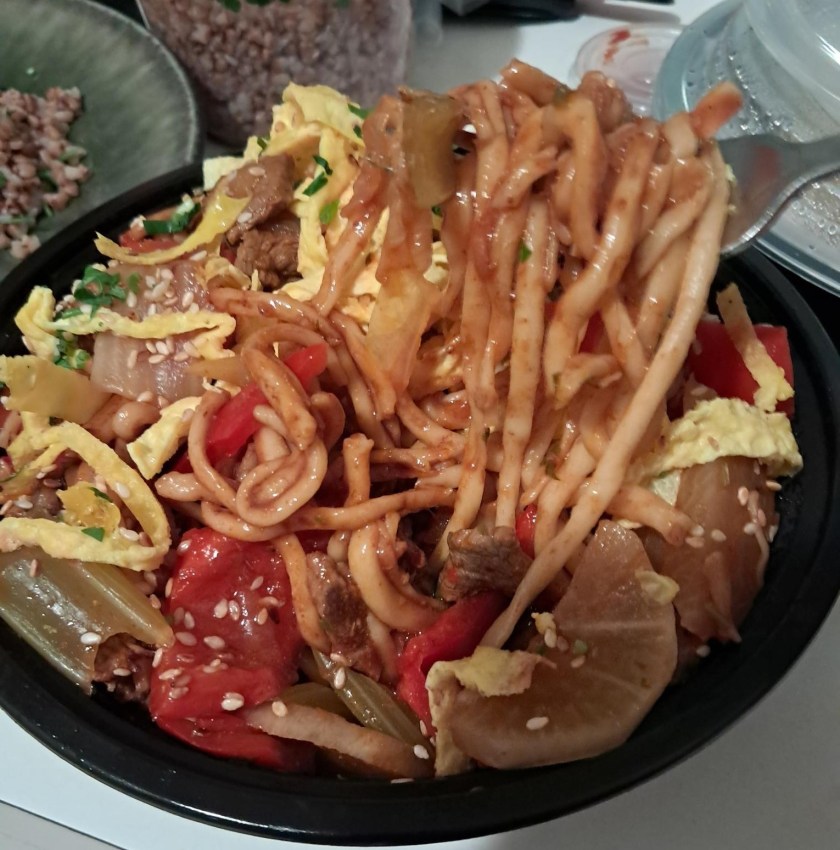
Here is my plate. What a bounty! And now you can get a good look at how gorgeous the dough sculpting on that manty was.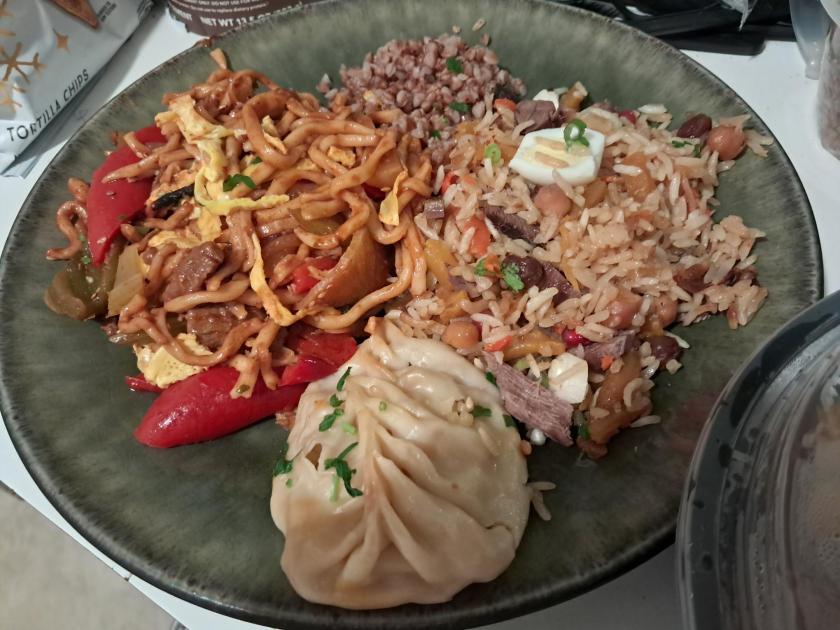
After reading the menu, my wife asked me to bring her pistachio cake, which I was happy to do. But when I got there, they had two different pistachio desserts, and I wasn’t sure which one she wanted, so I brought both home. That’s the kind of husband I am.
This dome-shaped dessert was the pistachio cupala, which Chayhana imports from a Michelin-starred bakery in Turkey. I didn’t have any (I’m avoiding sweets, and this didn’t look like my thing anyway), but she seemed to like it.
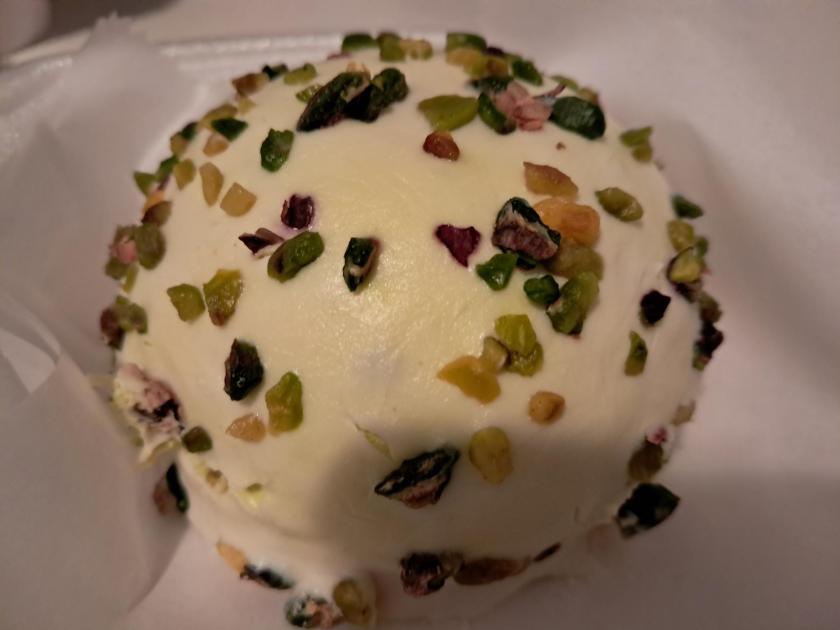
She preferred this Antep dream cake (topped with finely crushed pistachios above that rich, creamy layer of chocolate). It was not listed on the website, but it was available when I went in. I think it looks more appetizing, personally: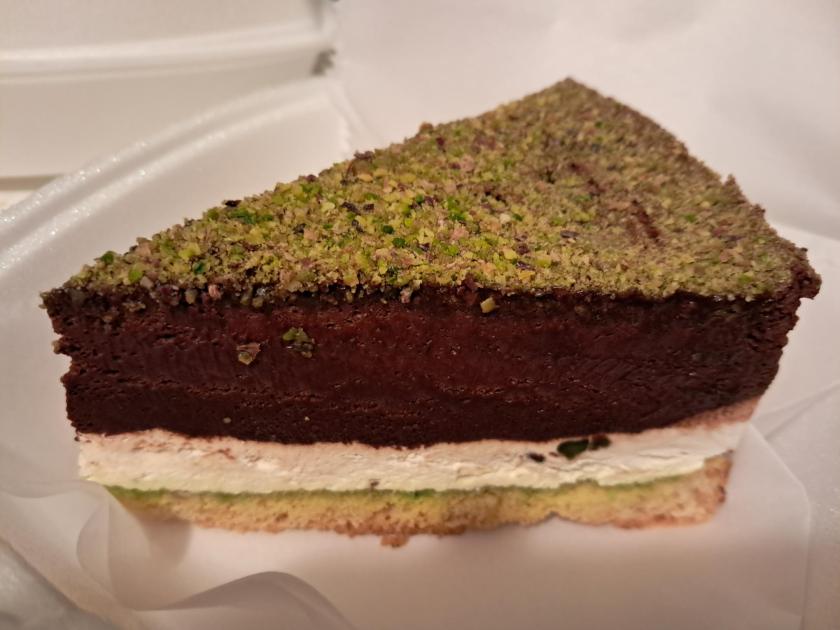
Everything was such a treat, I returned a few weeks later for another round of takeout.
The hummus wasn’t sprinkled with that seasoning or adorned with extra chick peas the second time, but she still liked it a lot: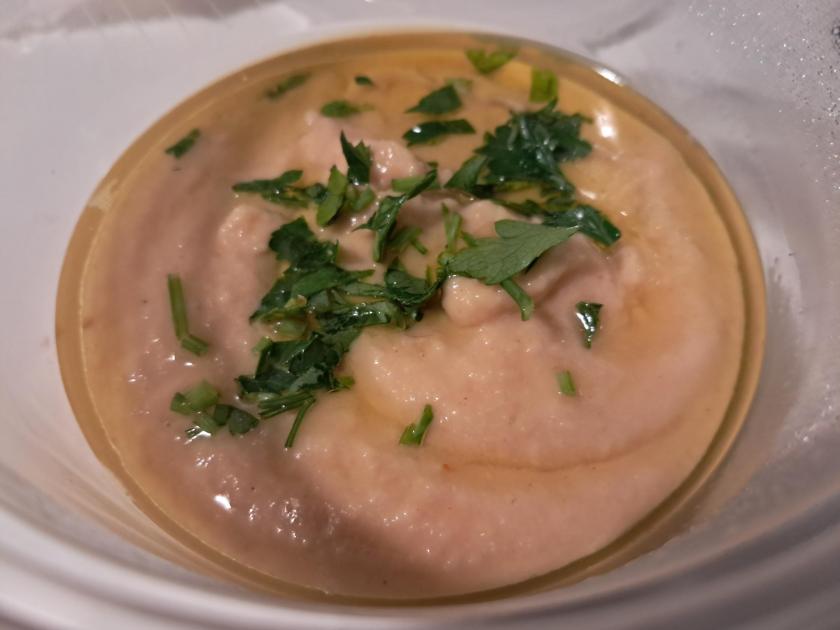
The plov was still wonderful: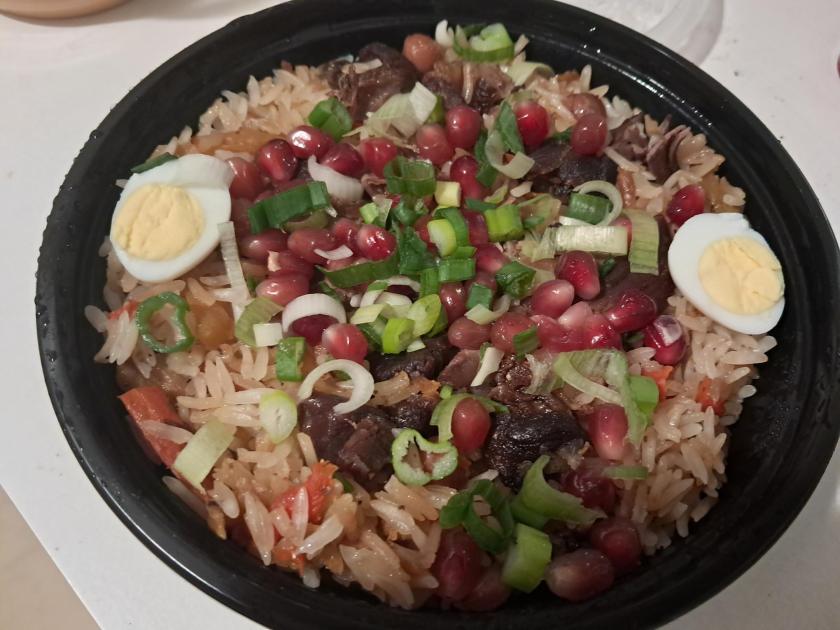
SinceI feel like I ran amok with carbs on our first takeout trip, I resolved to eat a little healthier the second time around. This was the chicken shish, served in small chunks rather than one long skewer so it could fit in a small takeout box. I could tell the chicken was marinated in herbs and spices and grilled, but I most admit, the picture on the website made it look better with the nice caramelization from grilling. I don’t think it lived up to the “golden and smoky” description from the menu. It was chicken breast meat, which is certainly healthier (and it’s what I cook and eat at home all the time now), but I think thigh meat is always more flavorful and feels like more of a treat. 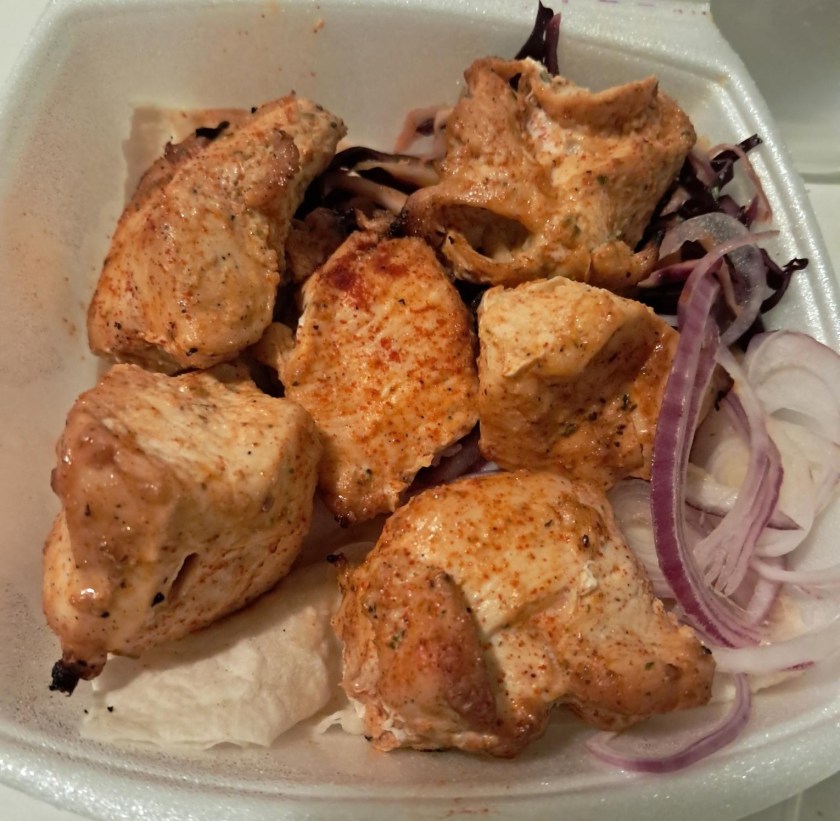
I preferred the lulya kebab, made of seasoned halal ground lamb and beef that was skewered and grilled. This is the kind of thing I will always order at any Middle Eastern or Central Asian restaurant, kind of along the same lines as the lamb adana kebap I ordered at Istanbul Grill or the Iraqi kebab we tried at Rawsha Mediterranean Cuisine. 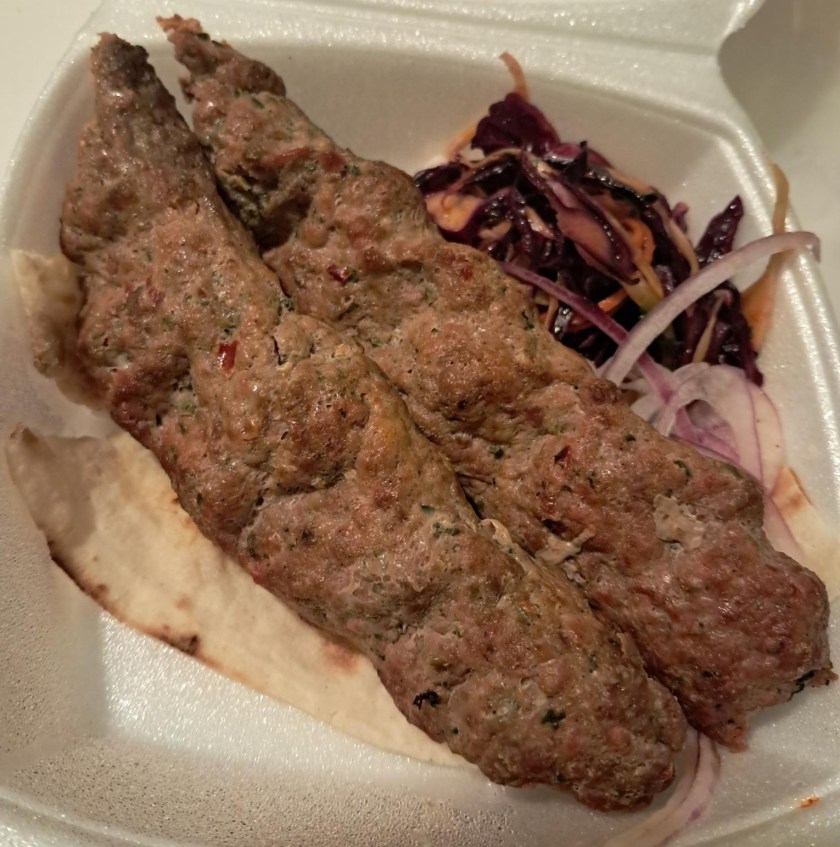 Both kebabs were served with red onions (some raw, some grilled) over very thin flatbread.
We have yet to dine in at Chayhana, but there is a nice little dining room that looks comfortable. When I picked up my takeout orders, it was during the holy month of Ramadan, and smiling Muslim families were just starting to show up for dinners. Everyone looked so happy to be there, and hopefully I’ve communicated why. Chayhana is the very definition of a hidden gem, serving food that may be somewhat familiar, but with unique twists. It makes you think about geography, about how little we (as Americans) know about Uzbekistan and other Central Asian countries, but how their cuisine has so many similarities with Turkish and other Middle Eastern fare, and how they all evolved from shared origins. That makes our increasingly complicated world seem a little bit smaller, and hopefully gives us all a little hope that we’re not so different, you and I. And for those of us who live in the Orlando area, we are so lucky to have a diverse culinary scene that allows more than one Uzbek restaurant to survive and thrive, even in super-suburban Altamonte Springs.