
Night and stars above that shine so brightThe mystery of their fading lightThat shines upon our Caravan
–“Caravan,” lyrics by Irving Mills, music by Duke Ellington and Juan Tizol
It took me 45 minutes to drive to Caravan Uzbek & Turkish Cuisine (https://caravanhalal.com/) on a late Saturday afternoon, arriving right at 5 PM to pick up takeout that I ordered online at 4:15. The restaurant looked nice inside, but it was too early for dinner, so it wasn’t busy. For this first visit, my wife didn’t feel like driving all the way to South Orlando with me, but I was more than happy to race back home with dinner in my heating bag. I had been wanting to try Caravan ever since I first heard about it some time last year, since we both love Turkish food, and a lot of our old favorites had either closed or let us down. And I’m obsessed with trying new cuisines, so I was even more excited to try Uzbek food for the first time.
Interestingly, the Central Asian nation of Uzbekistan isn’t even next door to Turkey. While Turkey straddles Europe and Asia and borders the Black Sea to the north and the Mediterranean Sea to the south, Uzbekistan is further east and completely landlocked by five different countries: Kazakhstan, Kyrgyzstan, Tajikistan, Turkmenistan, and Afghanistan. Since you were dying to know, Uzbek and Russian are the main languages spoken, and like Turkey, Islam is the majority religion, even though both countries are considered secular states. Still, with majority Muslim populations in both Turkey and Uzbekistan, that explains why all the food at Caravan is halal.
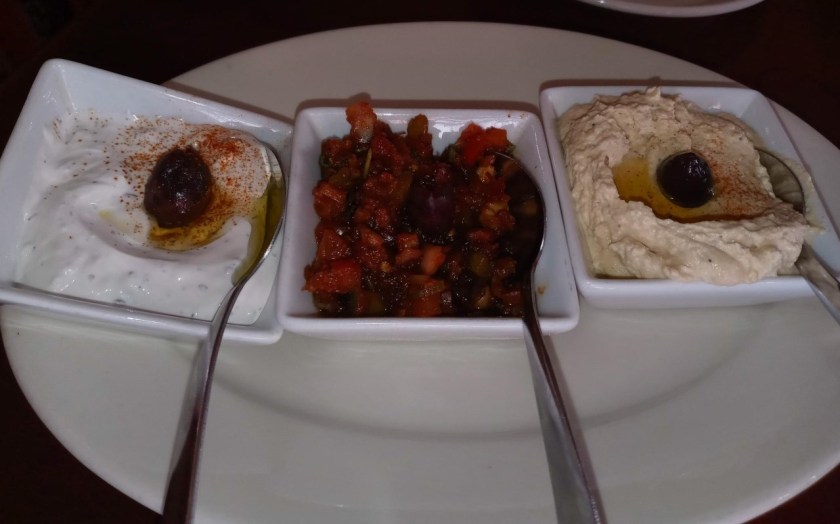
We started out getting a mezze platter, the combination of cold dips that is so refreshing and rewarding at almost every other Turkish restaurant we have enjoyed in the past. We got five different dips, all packaged conveniently in separate plastic containers with lids that snapped on tightly, leading to no spills or leaks on the way home, which is always nice. Each dip was topped with a grilled olive, which was a nice touch.
Hummus, which you’ve surely had before, in one form or another:

Babaganush, the smoky eggplant dip that is my wife’s favorite:

Ezme, my personal favorite, which is like a spicy Turkish pico de gallo with finely processed tomatoes, onions, bell peppers, hot red pepper paste, parsley, and lemon juice. This was a terrific version of ezme, like some of the nicest, freshest salsa or pico ever.
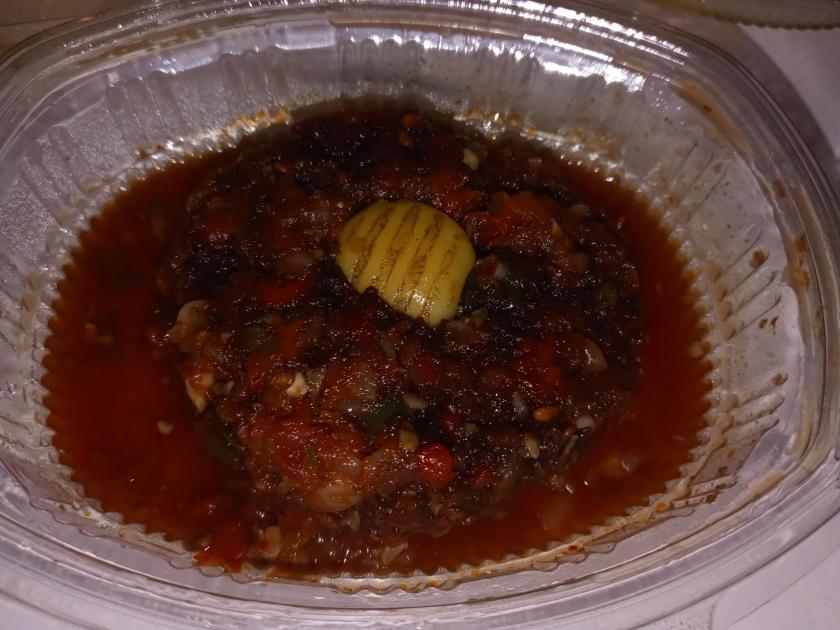
Haydari, a creamy, yogurt-based dip with dill, mint, and chunks of walnut:

The website said we would also get spinach sautéed with onions as part of the mezze platter, but instead of that, we got cacik, another cool and creamy yogurt-based dip that is thinner, with cucumber, garlic, and mint. I was curious about the spinach and onions, but the cacik was good, so no complaints from me.

Instead of puffy, fluffy lavas bread like we’ve had countless times from Bosphorous, Zeytin, and the late and lamented Beyti, we ordered a Turkish bread called ekmek. We got two round pieces, dusted with light and black sesame seeds. They were more like standard loaves of bread that hadn’t risen very much, as opposed to true flatbreads like lavas or pita. I ripped off pieces of ekmek to dip with gusto, but my wife wasn’t super-into it. 
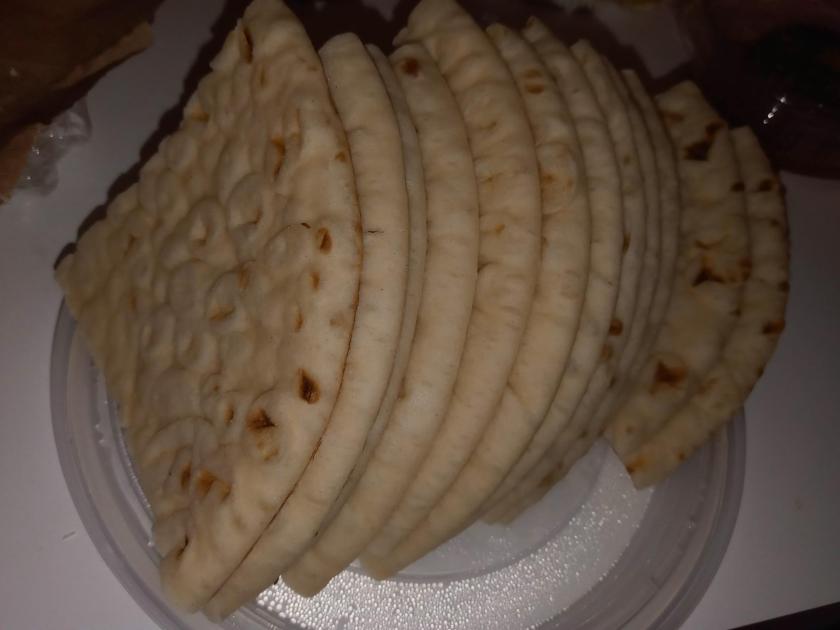
I also ordered Uzbek bread, but was a little disappointed that Caravan just gave us wedges of store-bought pita, like I have bought countless times at various grocery stores:
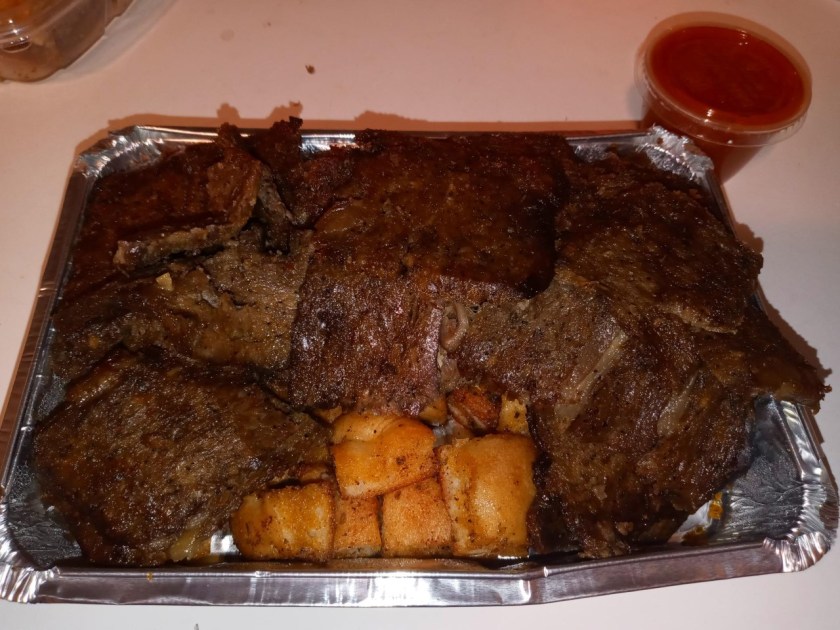
The entrees we ordered were all really good, starting with an order of semechki, or lamb ribs, from the shish kebob section of the menu. I love lamb in all its forms, especially braised lamb shanks, but I realized I have never tried lamb ribs, despite being a gigantic fan of beef and pork ribs. The grilled lamb ribs were pretty tiny, without a whole lot of meat on the small bones, but the meat that was there was very tender, with intense flavor from the grill. There were six pieces in the order, and they were served on a soft flour tortilla that absorbed the delicious meat juices.

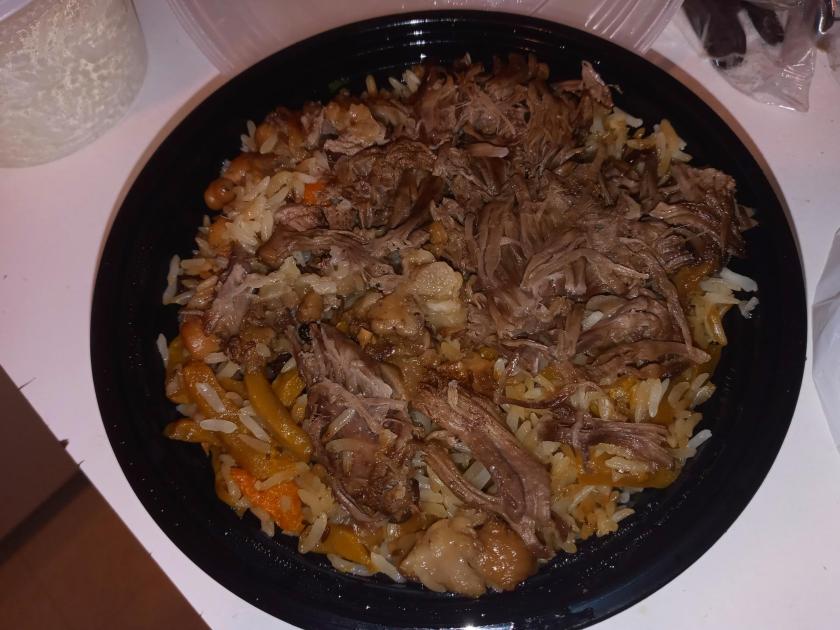
My wife chose the to’y osh, an Uzbek dish of Lazer rice seasoned with cumin, coriander, raisins, sautéed onions, and yellow carrots cooked until they were soft, tender, and sweet. It was topped with shredded beef that must have been braised, because it was really tender too. Like I said, this was our first time trying any Uzbek dishes, but it reminded me strongly of biryani, a popular Indian dish of rice mixed with meat and vegetables that may have Persian origins. The to’y osh was very subtly seasoned, lacking the strong flavors of biryani rice, but it was a heart, savory dish with a nice combination of textures.
Even though we liked everything except the store-bought pita (which I’m still going to salvage by baking it in the oven on the convection setting to crisp it up), the biggest hit for both of us was the fried laghman, the dish I’ve seen almost everyone order in the handful of Caravan reviews I’ve read so far. This was a dish of hand-pulled wheat noodles, and since I am a noodle nerd, the name laghman comes from the Chinese lamian (for hand-pulled noodles, like you would get at Mr. J Hand-Pulled Noodle in Ocoee), which also led to both lo mein and Japanese ramen. These long, chewy, thick noodles were stir-fried in a wok with fresh vegetables and tender strips of beef with a soy-based sauce — almost like lo mein. When I looked it up, I wasn’t far off — laghman comes from the Uyghur people, an ethnic, primarily Muslim minority who live in China (where they are horribly persecuted) and have other communities in Uzbekistan and the other Central Asian countries that surround it. This was also our first experience trying any Uyghur cuisine.

The laghman noodles looked like they would be spicy, and I was hoping they would be spicy, but much to my wife’s relief, they weren’t. The only spicy things we ended up with were the ezme and a chunky hot sauce that came with the lamb ribs. And I was all ready to use the cool, creamy, refreshing haydari and cacik to put out fires in my mouth, too!
This was an interesting first visit to Caravan, one that inspired me to do some geographic research before writing this review. I had been wanting to go there with a group for quite some time, so we could order a bunch of dishes and share everything, but that hardly ever happens anymore. Bringing home takeout to share with my ever-patient wife worked just as well, and we ended up with plenty of leftovers. I have no idea how often I’ll make it back to Caravan, just because it is so far from home, but I feel like we made some great choices for our first trip.


 This savory stewed curry lamb was so incredible, I didn’t even miss oxtails.


 Man, was this some luscious larb! Listed under the “Salads” on the menu, it was so bright and tangy, sour and spicy, crunchy and funky, and surprisingly cool and refreshing, while spicy enough to make my lips tingle. It was served chilled, with thin slices of onion, finely shredded carrot, cucumbers, and lots of mint, and it exceeded all my expectations with its blend of flavors and textures. I was a little surprised the larb did not come with rice, but what do I know? Anyway, it made me a larb lover for life.


 As always, I appreciated that Isan Zaap packed my takeout larb in one of those great plastic containers with a clear, locking lid. These are microwave-safe AND dishwasher-safe, and if you think I keep a collection of them, you’d be right as rain.


 She opted to add seared ahi tuna to her salad as a protein, I guess to stick with the tuna theme of our lunch. You can see they served her a beautifully seared slab of ahi, with a gorgeous pinkish-purple center. Other protein options, all available for an upcharge, are grilled or crispy chicken, salmon (unfortunately cooked, rather than sushi-grade raw), and steak.


 But at the end of the day, I would sooner choose cookies from

 This was AWESOME. We both loved it. This was another dish with a crispy exterior and soft, yielding interior, kind of like fries or tater tots — not in taste, but in “mouth feel.” They were terrific with the sauce, and I liked the pickled vegetables (necessary ingredients on any banh mi sandwich) a lot.
 My research tells me hu tieu is a Chinese-Cambodian invention that was adapted to Vietnamese tastes in the city of Saigon, and that I could have also ordered a “dry” version with a small bowl of soup on the side to protect my work clothes in the future.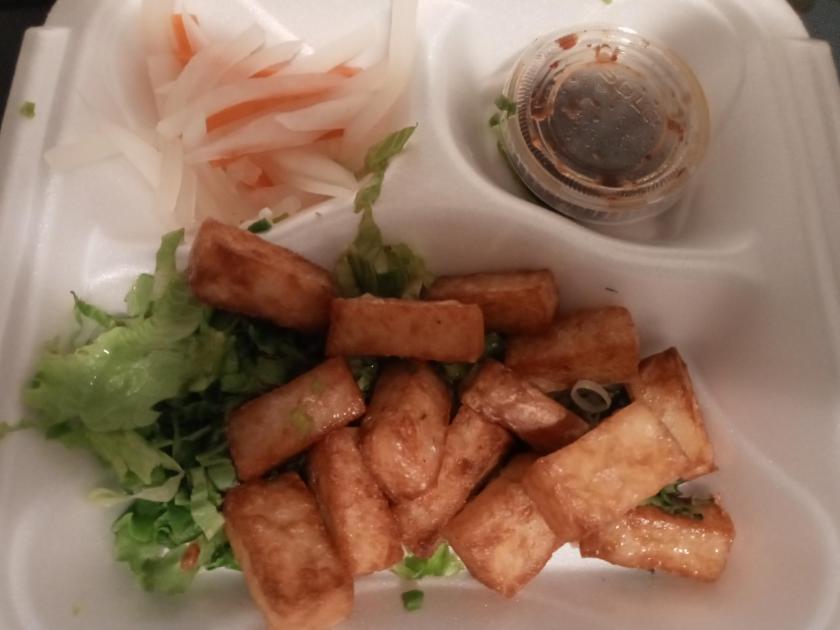


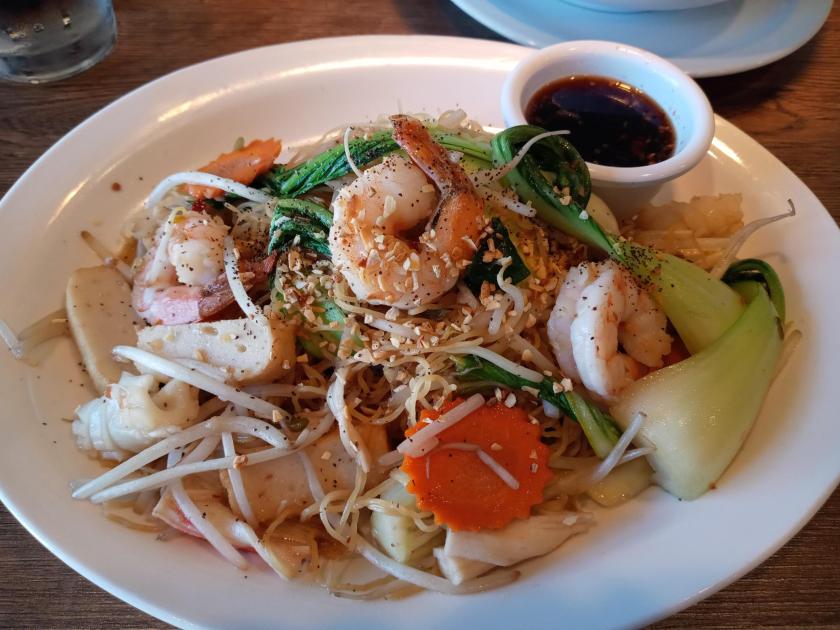 To be completely honest, this was okay. I feel like I did not make the best choice. I might have been happier with pho or bun bo hue, but I kept thinking about how hot it was for soup (on a scorching August afternoon in Florida), and how it would be hard to beat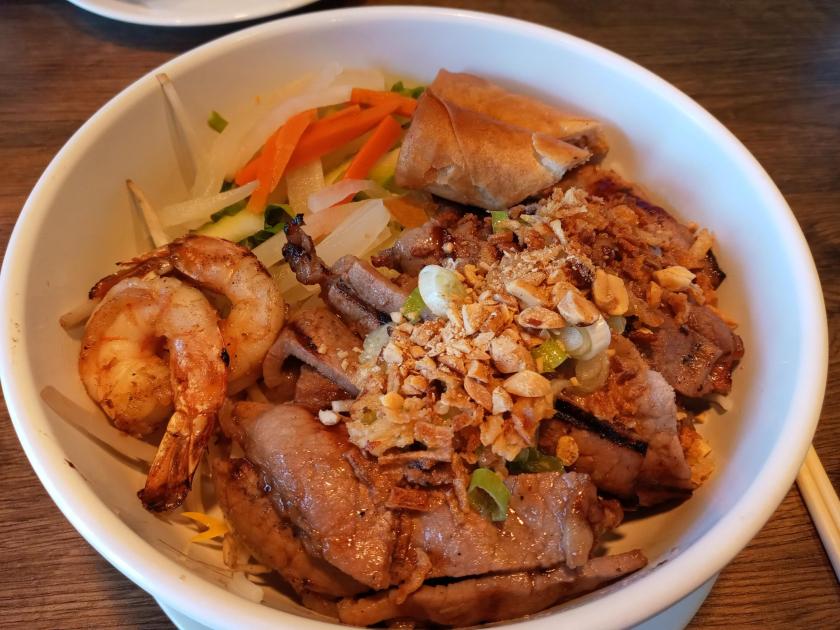


 This was such a crowd-pleaser, and it was definitely the highlight of the meal for me. Like I said, whenever I get around to returning, I’m gonna get this just for myself, and then suggest anyone else I am with share one.


 Even though this dish is from Kenya and Tanzania, it made me realize it has been more than a decade since I’ve had Ethiopian food (another cuisine that handles collard greens very well). It is also really damn good, and I need to get some again soon.


 All these flowers on the fall behind us? Actually three-dimensional, with petals popping off the wall.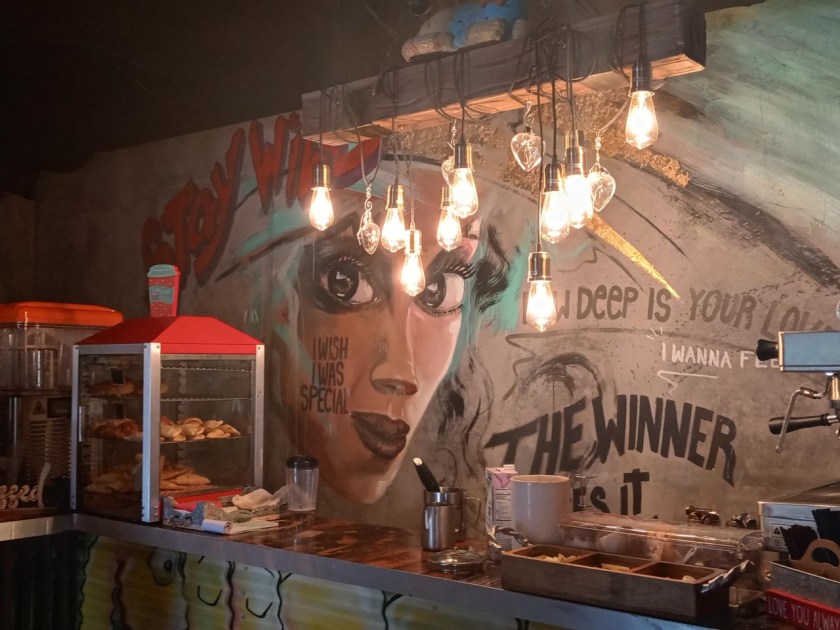


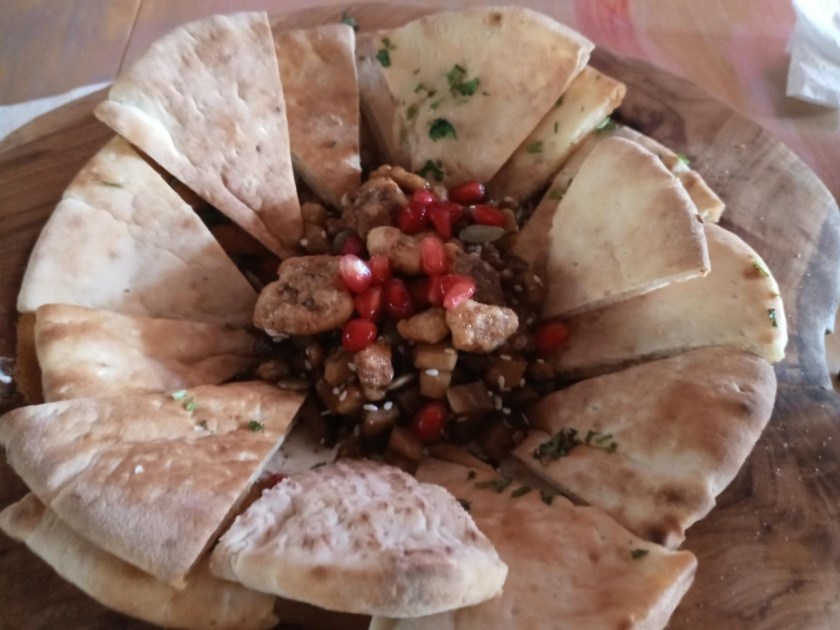




 I’ve slurped, scarfed, sipped, and supped on pho dac biet all over Orlando, so I wanted to try this as pure and unadulterated as possible. I didn’t add any sambal oelek, sriracha, or hoisin sauce to my pho, just the fresh basil, fresh jalapeño slices, and a healthy squirt of lime. And it was perfectly fine. It didn’t capture the majestic magnificence of my other 2023 discovery,
  I’ve always felt that pad Thai is a great dish for judging a new and/or unfamiliar Thai restaurant, along with my personal go-to Thai dish, pad kee mao, sometimes known as drunken noodles. I think my wife chose wisely, because she really loved Twenty Pho Hour’s version of pad Thai. She let me try a taste, and I liked it too.
 She seemed to like them a lot, but she didn’t dig on the sweet chili sauce they came with. She greatly prefers the sweet peanut sauce that most other Vietnamese restaurants serve their summer rolls with. Little did we realize, Twenty Pho Hour also serves more traditional summer rolls with that peanut sauce, but oh well, lesson learned.


 The word “Zeytin” is Turkish for olive, a favorite delicacy of Chef Z, and we noted that each dip was topped with a kalamata olive. I made sure my wife ended up with all of those.


 The moussaka came with a mountain of that wonderful buttery rice pilaf with orzo, which we both loved.
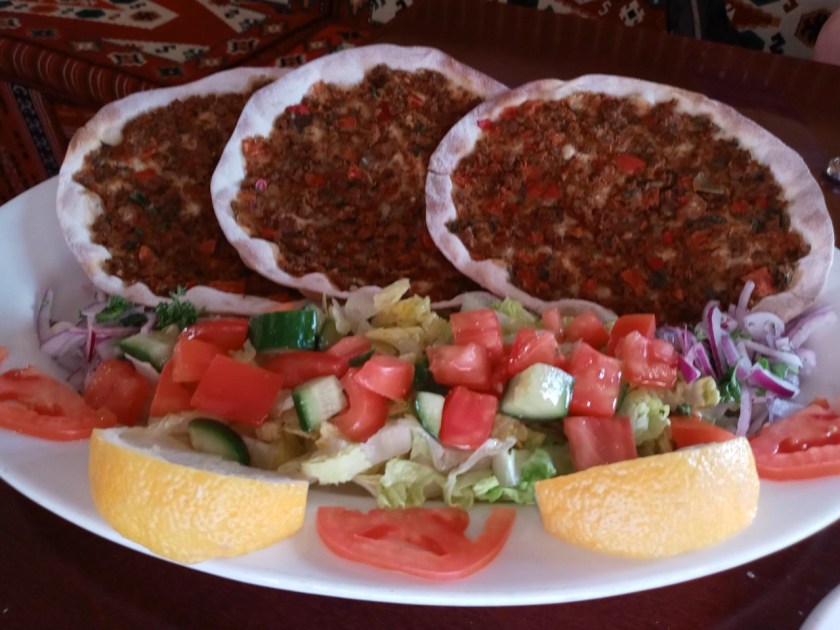 I was impressed that it essentially came with a whole side salad, with chopped romaine lettuce, tomatoes, red onions, cucumbers, and parsley tossed in a very light vinaigrette dressing, which you can roll up inside the lahmacun to eat, like a veggie wrap with meat on the inner wrapping. But there was so much salad, that even after eating all three lahmacun pieces with it, I was able to pack the rest in my work lunch the following Monday. (I also ate the lemon wedges like orange wedges, which is what I usually do with lemon wedges.)

 The palak paneer is cubes of cottage cheese (the paneer part) cooked with spinach in a creamy sauce. It is another great gateway dish for people unfamiliar with Indian cuisine, especially vegetarians. I’ve ordered an extremely similar dish called saag paneer at other Indian restaurants, but I just researched the difference: palak paneer is always made with spinach, while saag paneer can be made with spinach and/or any other leafy greens, particularly mustard greens. Mystery solved!


 The Saboscrivner