The Prince (https://www.instagram.com/theprincela) is a classy, old-school Los Angeles Korean restaurant and lounge that is most famous for appearing in multiple movies and TV shows over the decades, including Chinatown (one of the greatest L.A. movies, neo-noirs, and movies in general of all time), Mad Men (one of my favorite shows of all time), and New Girl (where it was the characters’ regular hangout). I’ve never actually watched New Girl, but now I am imagining Zooey Deschanel with bangs and glasses, singing a silly old song (maybe “Dream a Little Dream of Me”?) and strumming a ukulele in this dusky, dark red hipster hangout.
Back in November, I was on a work trip to L.A. and had a chance to join some of my amazing co-workers for dinner. I always stay in Koreatown, where my employer is located, and where there seem to be hundreds of Korean restaurants to choose from, at all different styles and price points. I am still very new to Korean food, but the more things I try, the more I feel inspired to branch out and try more. The Prince was walkable from our campus, so since I was already aware of its cinematic résumé and timeless cool décor, I convinced this small group to trust and follow me.
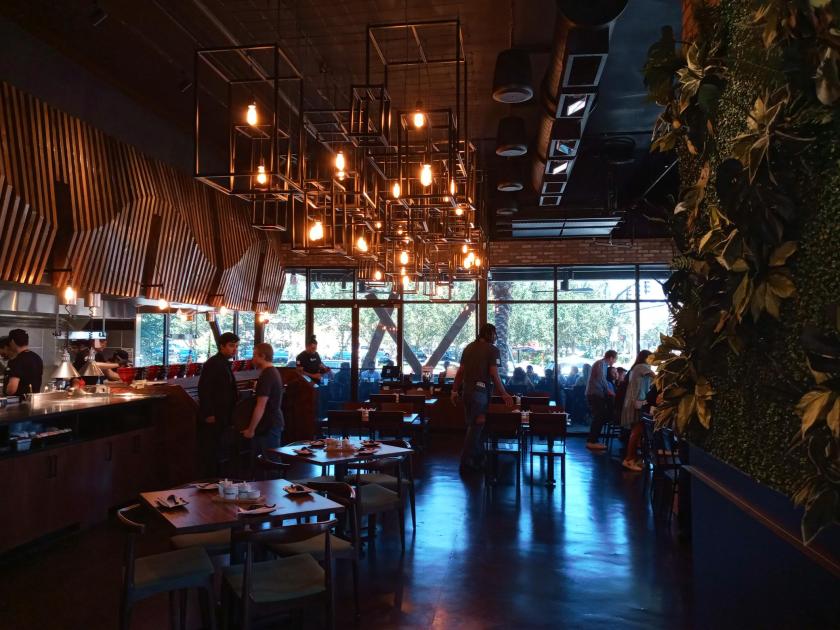
I must apologize in advance for the photos that follow in this review. It’s a gorgeous room, dark and anachronistic, but as soon as I took my first photo to set the scene, a server yelled at me to not use flash photography inside. So I did my best, such as it is, to share the red vinyl booths, the dark wood, the dim lighting, and even these hale and hearty knights standing guard. 


Also, I swear I saw Spike Jonze, director of super-creative movies and iconic music videos, dining there, but I wasn’t 100% sure it was him. As much as I wanted to thank him for “Sabotage,” Adaptation, and Jackass, I didn’t want to be That Guy who disturbed his dinner… especially if it wasn’t Spike.
Anyway, our group was a mix of adventurous and unadventurous eaters, so we picked five things that looked good to everyone, and we all shared them. That is my favorite way to dine with friends.
These are the onion rings (RING THE ALARM!) and cheese balls, because you know if I go anywhere and see onion rings on the menu, I have to order them. They were crowd-pleasers, and it was not the first time I had really good onion rings at a Korean restaurant. The cheese balls were even better — perfect, golden-fried, golf ball-sized orbs with melty cheese in the middle, under the breading. I should have tried to get a shot of a bisected cheese ball to show you their molten, sticky, creamy centers, but they went fast!
When you’re introducing Korean food to unfamiliar diners, beef bulgogi is one of those perfect gateway dishes. Bulgogi is a dish of thin-sliced beef (often sirloin steak), marinated in a savory-sweet sauce, and then grilled or stir-fried with onions and green bell peppers. The bulgogi marinade contains soy sauce, sugar, sesame oil, garlic, ginger, and pear juice, which tenderizes the meat. There is nothing spicy or “weird” to scare off the unadventurous diner, so it was another hit at our table.  Just FYI: “bul” is Korean for fire, and “gogi” means meat.
We also ordered galbi (sometimes called kalbi), a very similar dish but with beef short ribs sliced cross-wise against the bones, rather than thin-sliced steak. It has a similar flavor due to the marinade, but I already love short ribs in any form — not just the flavor, but the wonderful texture. I especially like the chewy part of the meat right around the bones, which you can just pull off with your fingers if you don’t want to gnaw it off. This was served over onions and scallions, and there wasn’t a morsel left.
I didn’t have any input in choosing this garlic shrimp dish, served with fresh, raw, shredded cabbage, but I was happy to try a couple of the shrimp, which came in their shells and had to be peeled. It was delicious — different from scampi or any other garlic shrimp dish you might be envisioning, but still very satisfying.
I did choose this dish, though: thick, perfectly al dente udon noodles served with mixed seafood: shrimp, mussels, squid, and tiny crab legs (more trouble than they were worth to crack open). The menu describes it as coming in a spicy broth, but it could be served mild upon request. I honestly don’t remember what we decided as a group, but I think we went with spicy and almost everyone still loved it.
Real Korean food aficionados might be rolling their eyes, disappointed that we made relatively staid and familiar choices, but that’s often what happens in a “family-style” group dining situation. I would have loved to try the soondae, since I always love blood sausage in all its other forms, from Argentinian morcilla to British black pudding, but nobody else was on board with this one. It’s all good!
I have no regrets or complaints about The Prince, especially because it is such a part of Los Angeles and Hollywood history. I would not be surprised if there are better Korean restaurants in L.A.’s Koreatown, but the vibes at The Prince are unmatched. Every time I make it out there for work, I try to visit at least one historic, iconic L.A. landmark, whether it’s a tourist attraction, a restaurant, or both. So far, I’m making quite a list. I love my job, and I love L.A.!
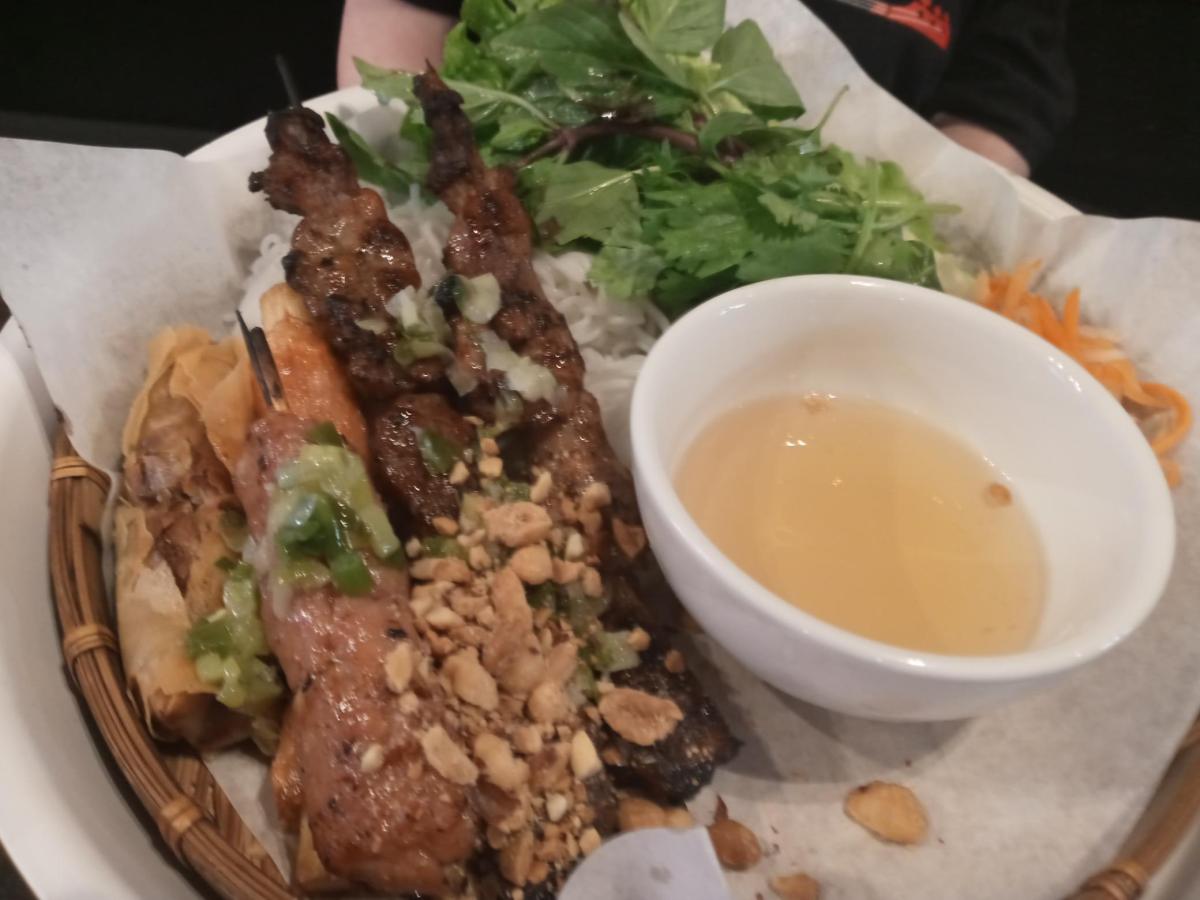


 It was good, but the bun bo hue at Pho Huong Lan still wins.


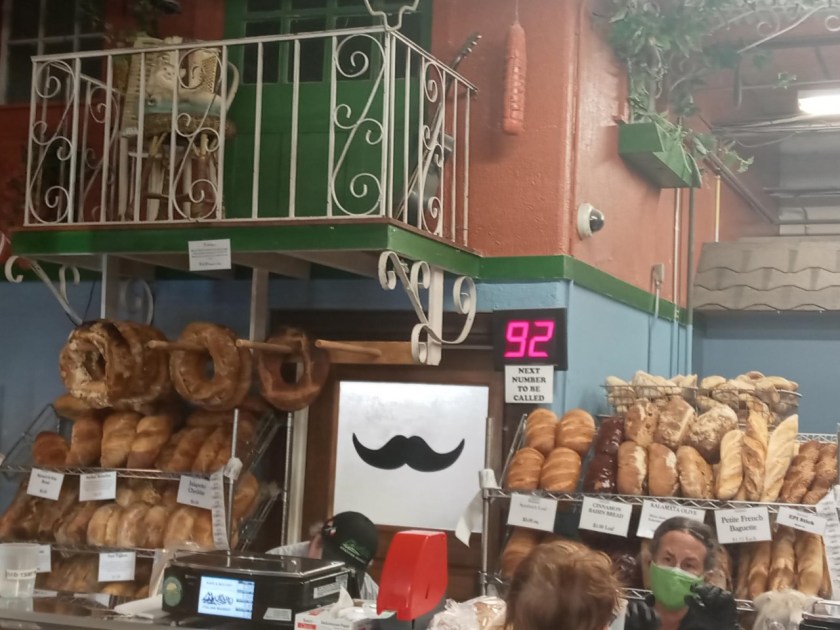





 On our return in 2024, she remembered this was not the way (at least not for her), so she ordered a grilled caprese sandwich, with tomato, fresh basil, fresh mozzarella, and pesto spread on grilled Italian bread, and devoured it with gusto on Mazzaro’s covered patio, despite not liking fresh tomatoes or sandwiches that much. I didn’t even get a photo of it!
 The Italian slaw is no joke, adding a tangy, vinegary crunch to the sub. More places should experiment with different kinds of cabbage slaw on sandwiches.


 I asked her if it was tangy or sour, because that’s how I really like my pad Thai to be. She was kind enough to let me try a forkful, and while it was a solid version of the classic dish, it wasn’t terribly tangy.







 My wife reminded me to mention that she first asked for a simple Shirley Temple, but the gorgeous, well-stocked bar did not have any grenadine syrup, something we both thought was odd at the time.


 Man, was this some luscious larb! Listed under the “Salads” on the menu, it was so bright and tangy, sour and spicy, crunchy and funky, and surprisingly cool and refreshing, while spicy enough to make my lips tingle. It was served chilled, with thin slices of onion, finely shredded carrot, cucumbers, and lots of mint, and it exceeded all my expectations with its blend of flavors and textures. I was a little surprised the larb did not come with rice, but what do I know? Anyway, it made me a larb lover for life.


 As always, I appreciated that Isan Zaap packed my takeout larb in one of those great plastic containers with a clear, locking lid. These are microwave-safe AND dishwasher-safe, and if you think I keep a collection of them, you’d be right as rain.




 This was AWESOME. We both loved it. This was another dish with a crispy exterior and soft, yielding interior, kind of like fries or tater tots — not in taste, but in “mouth feel.” They were terrific with the sauce, and I liked the pickled vegetables (necessary ingredients on any banh mi sandwich) a lot.
 My research tells me hu tieu is a Chinese-Cambodian invention that was adapted to Vietnamese tastes in the city of Saigon, and that I could have also ordered a “dry” version with a small bowl of soup on the side to protect my work clothes in the future.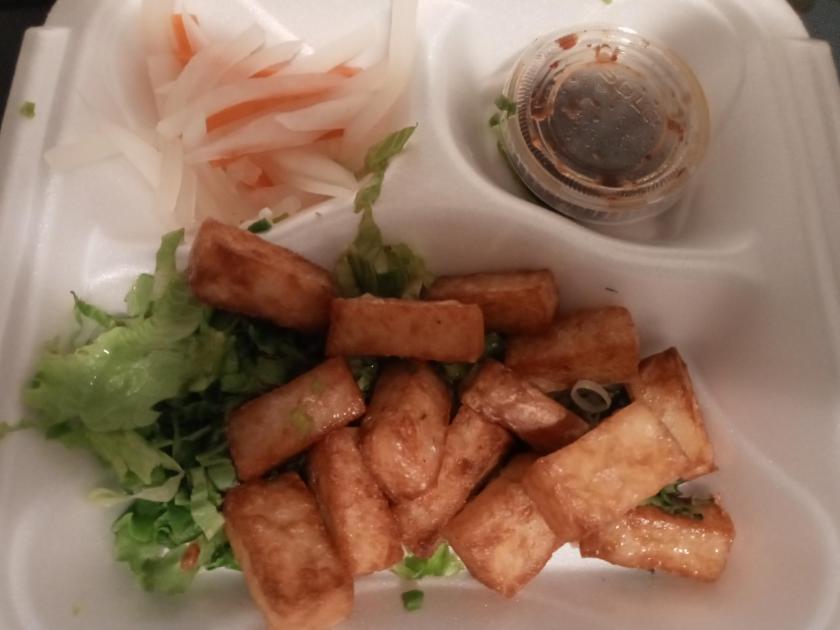


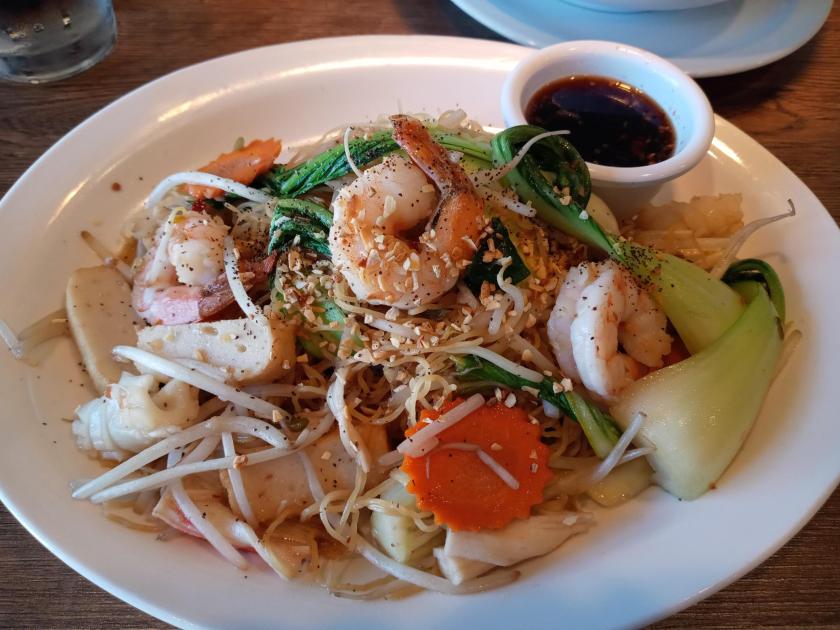 To be completely honest, this was okay. I feel like I did not make the best choice. I might have been happier with pho or bun bo hue, but I kept thinking about how hot it was for soup (on a scorching August afternoon in Florida), and how it would be hard to beat