
For years, I had been hearing my friends rave about Isan Zaap Thai Cafe (https://isanzaaporlando.com/), unfortunately a little far from home for me, but moments away from another Thai restaurant my wife and I love very much, Naradeva Thai. You could seriously eat a big meal at one, then still comfortably walk to the other for another meal, they are that close. But I don’t recommend doing that.
I do, however, recommend Isan Zaap, and I’m not the only one. Michelin, that tire company that doubles as a restaurant critic organization, awarded Isan Zaap Thai Cafe one of its coveted Bib Gourmand awards, for “good quality, good value cooking,” joining some of Orlando’s finest establishments. So if you don’t trust your friendly neighborhood Saboscrivner’s recommendations by now, you can rely on the Michelin Guide, known for its completely unbiased judging.
While Naradeva’s dining room has a serene wilderness vibe, Isan Zaap is more of a modern dining space. Their menus are very different as well. I do not pretend to be an expert on Thai food, but I know they represent different regions of Thailand, with Isan Zaap covering Isan, the Northeastern region of Thailand (similar to another local Thai restaurant, Mee Thai). According to Isan Zaap’s website, Isan cuisine includes fresh herbs and spices, multiple proteins, and fermented ingredients, which makes sense, because I enjoyed a lot of funky, pungent flavors in the dishes I tried.
On my first visit in late January, I brought a friend with me who I always run into whenever I do anything cool and fun around town. Whether it’s a concert, a stand-up comedy show, or a comic book convention, this dude is always there with his finger on the pulse of all things cool and good. We were both riding high after attending a comic art show where I met my all-time favorite artist, so I chose Isan Zaap as a way to prolong the good feelings and rare chance to hang out.
I started my meal with a refreshing, sweet, slightly smoky Thai iced tea. It was so good, I wanted to gulp it all down, but I knew I would want to save it to cut the heat of whatever food I ordered.
I decided to order larb for the first time ever, after remembering young Peter Parker and his smokin’ hot Aunt May (played by Marisa Tomei) riffing about larb in Spider-Man: Homecoming. I don’t think they ever explained what larb was in that scene, but it sounded right up my alley, with minced pork, pork skin, pork liver, and “seasoning” with lime juice, herbs, and roasted rice powder. I asked for it with medium heat, but boy, was it spicy. I have gotten used to ordering Indian dishes hot, but I eat Thai food so infrequently, medium felt just hot enough.  Man, was this some luscious larb! Listed under the “Salads” on the menu, it was so bright and tangy, sour and spicy, crunchy and funky, and surprisingly cool and refreshing, while spicy enough to make my lips tingle. It was served chilled, with thin slices of onion, finely shredded carrot, cucumbers, and lots of mint, and it exceeded all my expectations with its blend of flavors and textures. I was a little surprised the larb did not come with rice, but what do I know? Anyway, it made me a larb lover for life.
Because I’m me and I just can’t help myself, I ordered a second dish, figuring I would try it there and finish the rest at home: my go-to favorite that I like to try at every Thai restaurant, stir-fried drunken noodles, also known as pad kee mao (or sometimes pad kee mow). These are wide, flat, chewy rice noodles sautéed with onions, red and green bell peppers, basil leaves, and a protein (I chose squid, which was a little rubbery, but still tasty), in a sweet and spicy sauce. I asked for this dish medium as well, and it also brought a pleasant amount of heat. 
My friend chose excellent-looking pad Thai with tofu, another dish you can never go wrong with. He let me try a bite, which had the nice sweet-and-sour tanginess I always enjoy in pad Thai. I made a mental note of it, because my wife loves this dish, and I definitely wanted to return with her. 
It was a great lunch and a great hang. I went home and talked about this meal for damn near three weeks before my wife and I finally made it back to Isan Zaap together, again for lunch on a weekend. We both ordered Thai iced coffees this time, which I liked even more than the Thai iced tea. (I almost never drink tea or coffee, but this just goes to show you that if you put sweetened condensed milk in anything, I will consume it.) 
My wife ordered pad Thai, as I figured she would. She got it mild and chose mixed seafood for her protein. It came with shrimp, squid, and mussels in the half shell, which she was kind enough to share with me, because I notoriously love mussels and she is ambivalent about those bivalves. She liked it, and as usual with her, she got two meals out of the dish.

I chose two things again on this trip, figuring we would share them both. This is a picture of half our order of grilled pork neck, which looked and smelled so good that I uncharacteristically devoured half of it before remembering to take a picture. It was a very pretty plate of thin slices of perfectly grilled, marinated, tender pork, accompanied by pretty shredded carrots and cabbage on the side and a very spicy Isan dipping sauce that I loved and she wanted nothing to do with. The grilled pork neck did not come with rice or anything else, so it might not be the most filling dish for a single hungry person. I would definitely recommend it to share with a group, though — or if someone is avoiding carbs and just wants delicious lean protein.

I also thought we would both enjoy the chef’s special dish of crab fried rice, after noticing so many crab dishes on the menu. Again, I ate the vast majority of this, even though it was not spicy or intimidating in any way. It was solid fried rice, but there wasn’t a lot in it aside from eggs, garlic, a little basil, and the lump crabmeat on top. I certainly enjoyed it, but next time I will order something more unique and unfamiliar, that’s for sure! 
Unlike our first visit, this time our server brought us a container of four tins of seasonings to spoon onto our food: chilli, sugar, vinegar, and fish sauce. I used a little bit of the chilli (just a red powder) and a splash of vinegar to jazz up the fried rice, but I did not want to overwhelm any of the flavors. I know the sugar is meant to cut the heat, but the spiciest thing I had at this second meal was the Isan dipping sauce with the sliced pork neck. 
Last, but certainly not least, I ordered another dish to bring home and enjoy later: the pork liver larb, served chilled and tossed in the same spicy, sour dressing with toasted rice powder, shredded carrot and cabbage, sliced cucumbers, and more herbs on top. This time I made jasmine rice in my Aroma rice cooker to go with the larb, which may be completely inauthentic, but it worked for me. I love liver in all its forms, and the pork liver was rich and intense in that offal (but not awful) way, and tender enough to almost melt in my mouth. It might have been my favorite component of that original larb dish I tried, but I found myself missing the additional textures and flavors of the ground pork and pork skin in the “O.G.” larb. Again, you live and you learn, or at least I do!  As always, I appreciated that Isan Zaap packed my takeout larb in one of those great plastic containers with a clear, locking lid. These are microwave-safe AND dishwasher-safe, and if you think I keep a collection of them, you’d be right as rain.
So Isan Zaap Thai Cafe was really wonderful after both of my visits, and it ignited my newfound interest in Thai food. I’ve been to a few other Thai restaurants in Orlando, and a longtime favorite closed in 2023, but I am excited that there is so much more to learn about and experiment with. I’m no tire company, but I can tell you that Isan Zaap is definitely worth all the hype and praise, whether you eat Thai food all the time or just dabble occasionally, as I do. I don’t know how often I will make it back to this restaurant, but Isan Zaap serves some of the best Thai food I’ve ever had, and not just in Orlando either. If you know, you know, and if you don’t, then what are you waiting for?





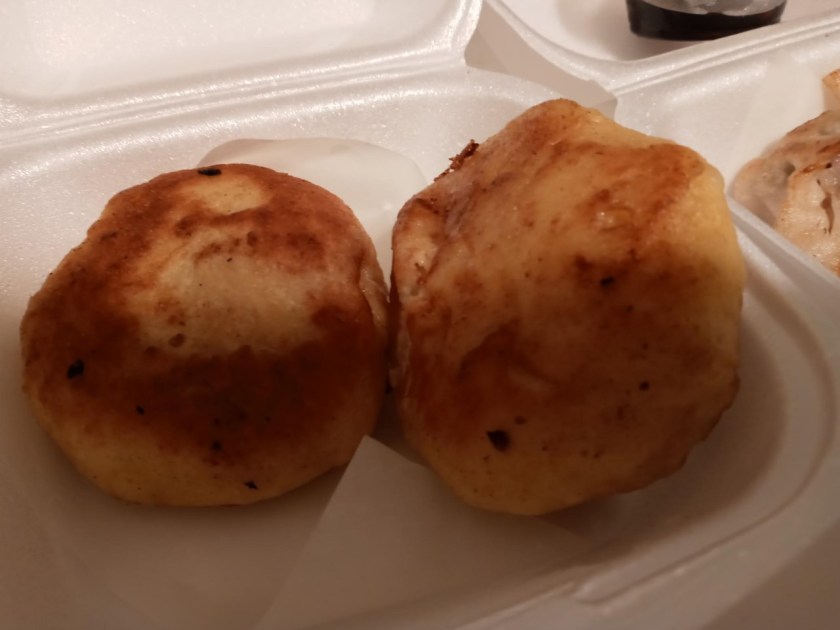
 This was AWESOME. We both loved it. This was another dish with a crispy exterior and soft, yielding interior, kind of like fries or tater tots — not in taste, but in “mouth feel.” They were terrific with the sauce, and I liked the pickled vegetables (necessary ingredients on any banh mi sandwich) a lot.
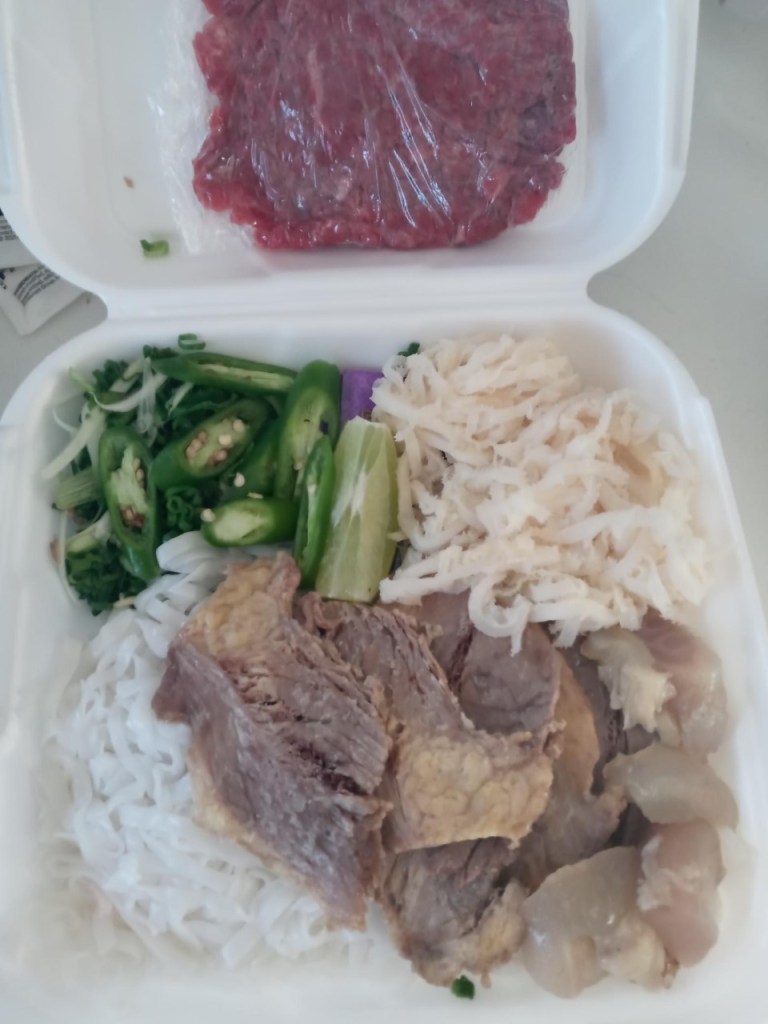
 My research tells me hu tieu is a Chinese-Cambodian invention that was adapted to Vietnamese tastes in the city of Saigon, and that I could have also ordered a “dry” version with a small bowl of soup on the side to protect my work clothes in the future.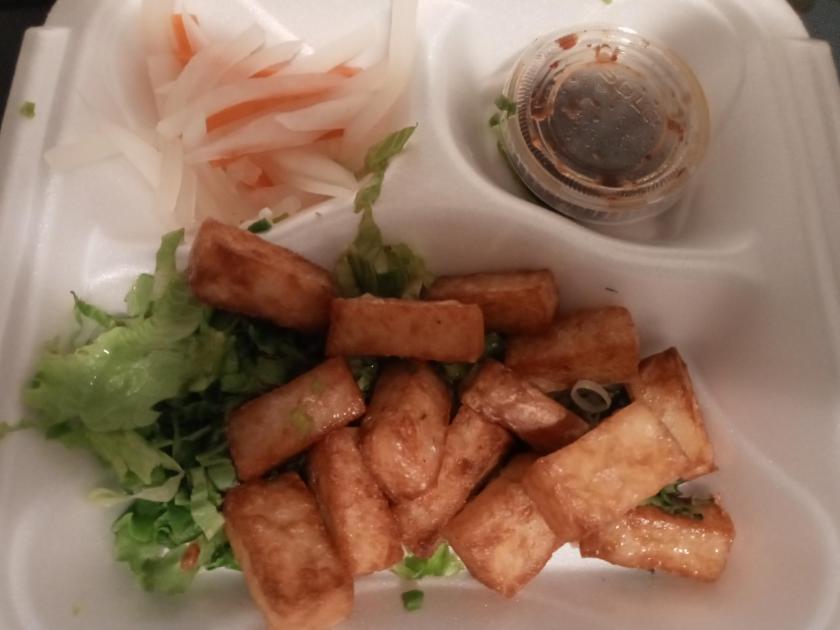


 To be completely honest, this was okay. I feel like I did not make the best choice. I might have been happier with pho or bun bo hue, but I kept thinking about how hot it was for soup (on a scorching August afternoon in Florida), and how it would be hard to beat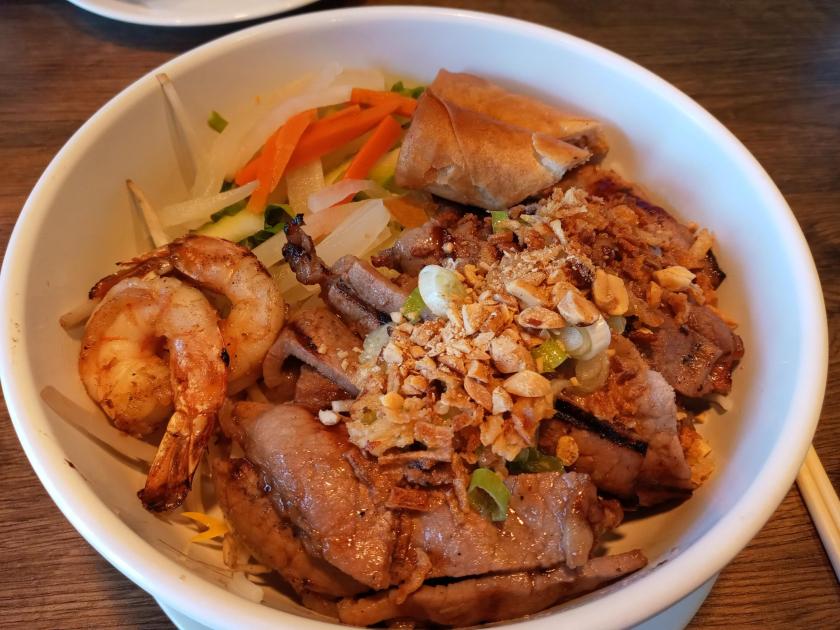


 I’ve slurped, scarfed, sipped, and supped on pho dac biet all over Orlando, so I wanted to try this as pure and unadulterated as possible. I didn’t add any sambal oelek, sriracha, or hoisin sauce to my pho, just the fresh basil, fresh jalapeño slices, and a healthy squirt of lime. And it was perfectly fine. It didn’t capture the majestic magnificence of my other 2023 discovery,
  I’ve always felt that pad Thai is a great dish for judging a new and/or unfamiliar Thai restaurant, along with my personal go-to Thai dish, pad kee mao, sometimes known as drunken noodles. I think my wife chose wisely, because she really loved Twenty Pho Hour’s version of pad Thai. She let me try a taste, and I liked it too.
 She seemed to like them a lot, but she didn’t dig on the sweet chili sauce they came with. She greatly prefers the sweet peanut sauce that most other Vietnamese restaurants serve their summer rolls with. Little did we realize, Twenty Pho Hour also serves more traditional summer rolls with that peanut sauce, but oh well, lesson learned.


 This was another tasty dish, but I would definitely advise first-time diners to go with the soup if they are dining in, if they have to choose between the soup and the stir-fried noodles. The soup is definitely the house specialty, and it is the most unique dish. You also have more noodle shape choices if you go with the soup.




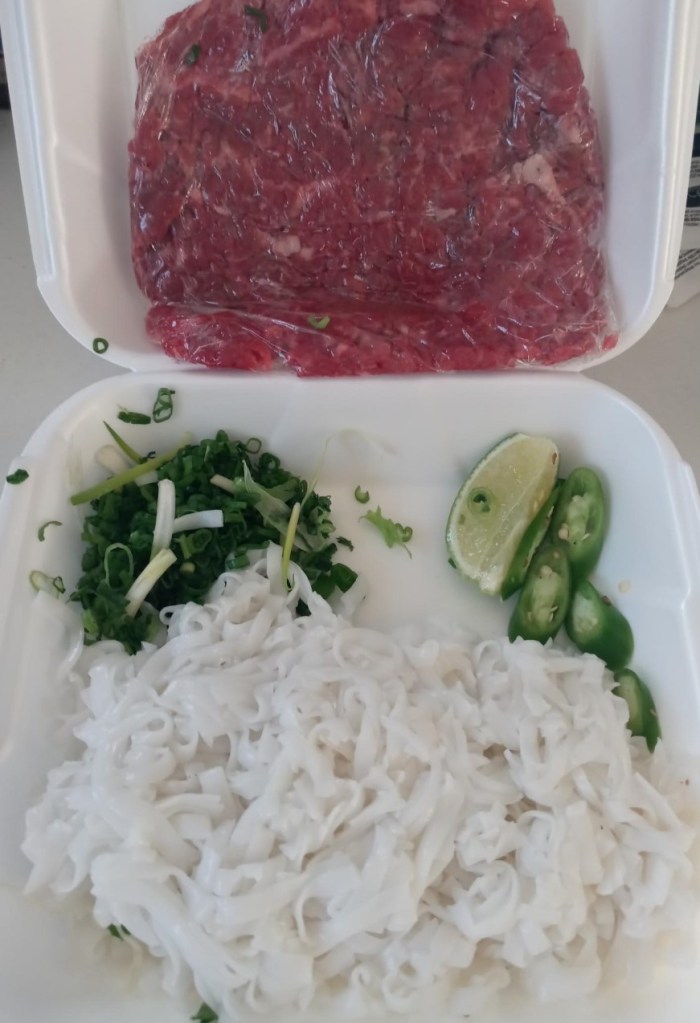 The rice noodles were thicker and more tender than the rice vermicelli most local restaurants served. We both liked them a lot.






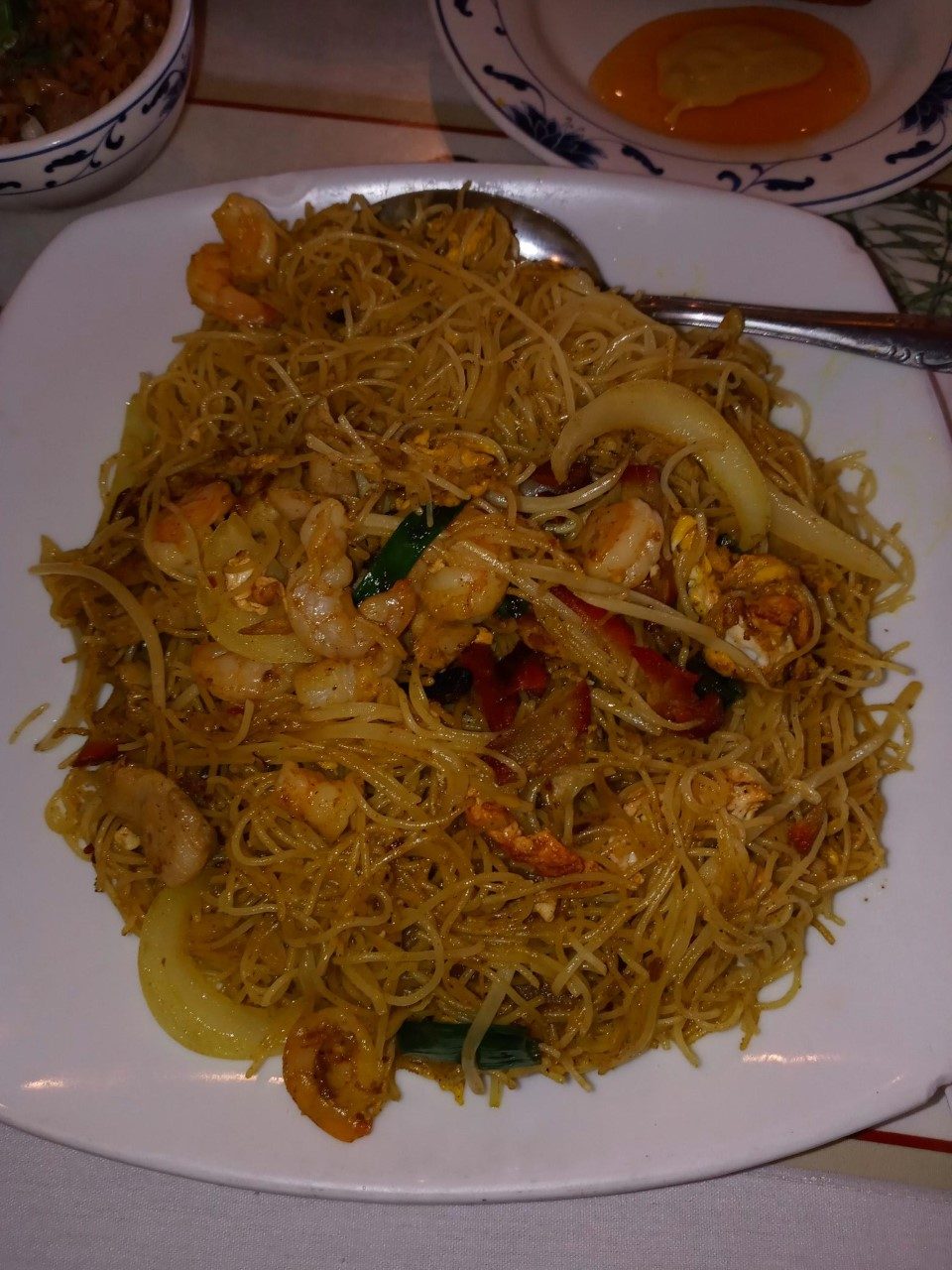


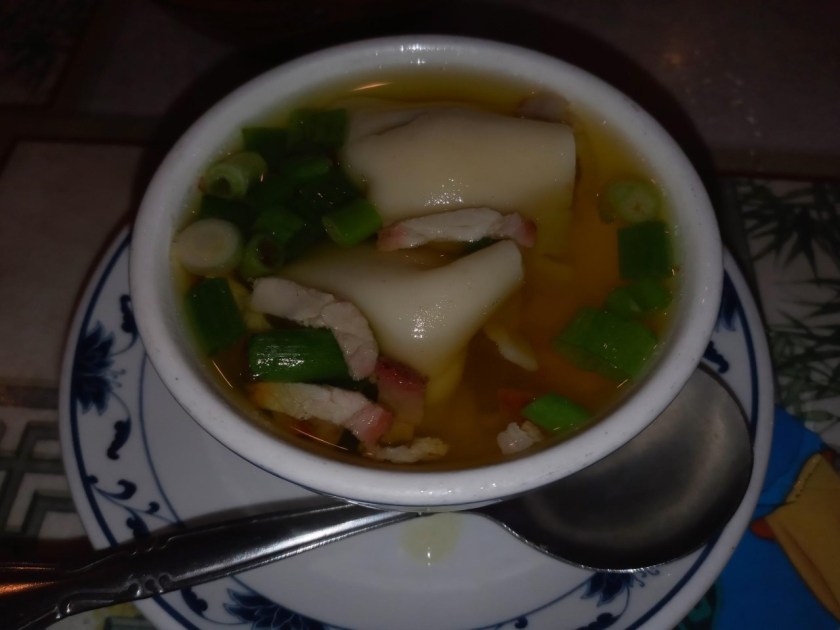
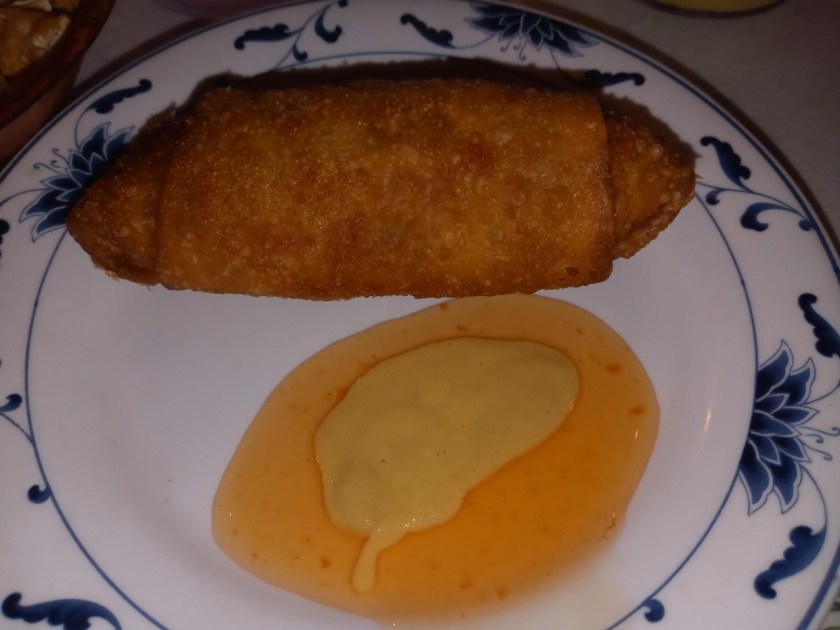


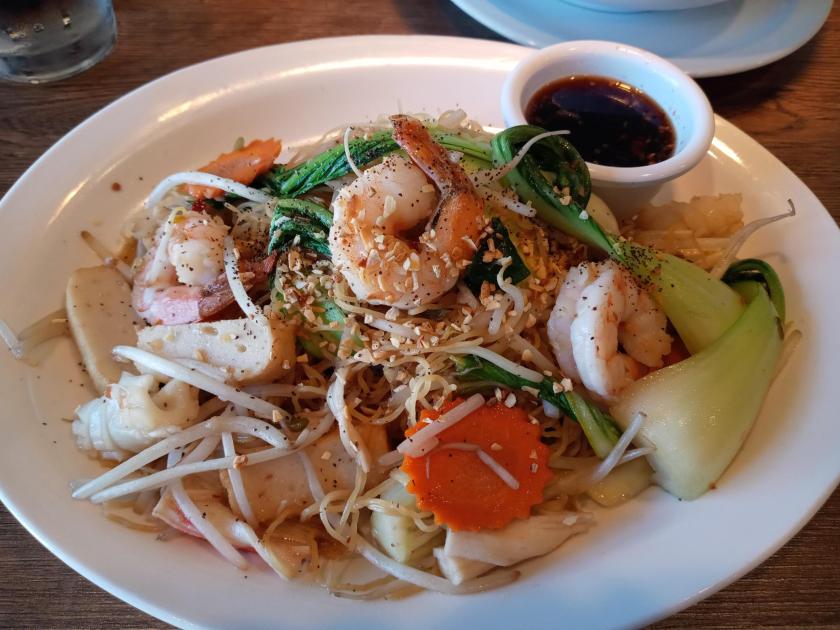
 The late night noodles are soft, chewy rice noodles stir-fried to perfection, then tossed in a light soy sauce with eggs, the shrimp, the buttery little bay scallops, and the tender squid, and served over a bit of lettuce. She loves it.
 Drunken noodles are stir-fried with onions, green bell peppers, fresh Thai basil leaves, and a sweet chili paste sauce. It is always sweet and spicy at once, which I just love in any cuisine, and the Thai basil brings such a unique herby flavor — very different than the typical basil in Italian recipes. Despite the name, there is no alcohol in this dish, but it is a common, beloved Thai street food for drunken revelers. I’m sure the late night noodles have a similar origin story from nocturnal hawkers and their grateful post-partying clientele.
 The Saboscrivner