Wait a minute… is The Saboscrivner really going to review the food at AdventHealth, Orlando’s largest chain of hospitals? Yes, but I have a good reason. My wife had a major surgery in May that necessitated spending nine days in AdventHealth Orlando, followed by another three weeks in AdventHealth Winter Park. It was heavy and scary stuff, and I didn’t want her to go it alone. I am so grateful that my employer allowed me to take a leave of absence from work, and that both hospitals allowed me to move in with her and spend every post-surgical moment at her side. (Both of us are fully vaccinated.) So we both lived in hospitals for 30 days — from May 11th through June 10th — and that meant eating a lot of hospital meals. This massive review may prove useful if any of my readers, or any of their family or friends, are ever hospitalized in an AdventHealth facility, or even if you end up visiting anyone there. But I hope you all stay healthy and safe and never have to come here, unless it’s for a positive reason, like having a baby or getting a cool prosthetic or something.
AdventHealth is a faith-based nonprofit that claims to have “nearly 50 hospital campuses and hundreds of care sites in diverse markets throughout nine states” (see https://www.adventhealth.com/who-we-are). Despite the health care company’s strong Christian values and mission, everyone is welcome and included — staff, patients, and visitors alike. I can say with confidence that the doctors, nurses, and therapists took exceptional care of my wife, when she needed it the most.
Now onto the food! Both hospitals have cafeterias for the staff and visitors, and there is some surprisingly good food to be had there. It tends to be more flavorful than the food served to the patients in their rooms, which tends to be blander, with less salt and fewer herbs, spices, and strong flavors. The much larger AdventHealth Orlando has a much larger cafeteria, the Welch Cafe, which puts out the most options at lunchtime, the busiest time, and far fewer things to choose from in the evening. There is an Italian station that has pizza, pasta, and rotating specials, a sandwich station where you can get a custom-made sandwich, a salad bar, a fresh sushi station, lots of pre-packaged “grab and go” options, sweets, and a lot more. With some options, there is a price per pound and you pay whatever your meal weighs, and others have fixed prices.
I should also note that AdventHealth, founded by Seventh Day Adventists, used to only serve vegetarian food, and only in recent years started serving meat. They do not serve any pork at all, though — not in the cafeterias or the in-room meals for patients, and not even at the Wendy’s across the street from AdventHealth Orlando. So you’ll see a lot of beef and/or turkey substitutions for pork products, and at least one of them ended up being really good.
My wife was in AdventHealth Orlando for a total of nine days, so I ate in the Welch Cafe a few times. Here are some of the highlights:
BWAAAAAAH! BWAH BWAH BWAAAAAAH!
RING THE ALARM! I had surprisingly great onion rings with my very first meal at the Welch Cafe, sleep-deprived and full of fear after delivering my wife to the hospital at 5 AM to be prepped for surgery. After waiting for hours outside the surgical wing, I figured I might as well keep up my strength and eat something that tasted good. These onion rings ($1.75, priced out at $7.29 per pound from the burger bar) were better than many others I’ve had around Orlando, believe it or not. 
For me, pasta is comfort food, so I indulged three times with different types of penne pasta in red sauces. This first one, which I ate on Day One while my wife was under the knife, was kind of like penne in an alfredo sauce, but I also asked for a warm blanket of marinara over the top. I seem to recall some pieces of tender chicken in there too. I was worried sick about her and felt guilty eating, but I knew I would have passed out or succumbed to a stress migraine if I didn’t have something substantial. 
On two subsequent Welch Cafe visits, I got different versions of baked penne with ground beef ($4.29), both of which hit the spot. You can’t go wrong with hearty baked pasta dishes like this:

This was a pre-made meatball sub (a very reasonable $4.99) that was much better than I expected. 
At least during the busiest hours in the middle of the day, you can get a custom sandwich made at the deli counter. The one time I indulged, I opted for pastrami on a sub roll (a little over $7), with creamy horseradish sauce, lettuce, tomato, onions, banana peppers, and jalapeño peppers, and the nice lady even pressed it on the grill (note the grill marks in the sub roll). It wasn’t any kind of ideal pastrami sandwich like Katz’s Deli in NYC or Orlando’s own Pastrami Project, but it was savory and spicy and messy in the best possible way. That blend of flavors and textures provided a much-needed brief reprieve from the stress of that particular day at the hospital. And as far as I’m concerned, that is the main goal of pretty much any sandwich. 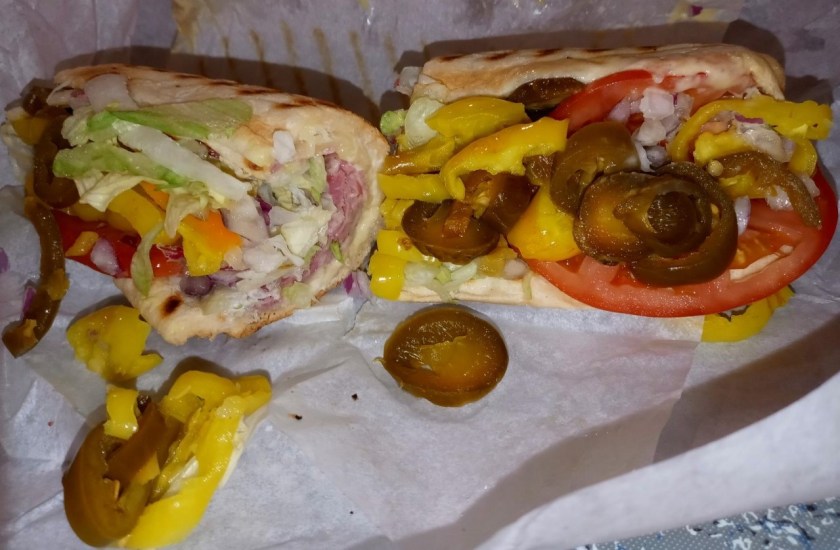
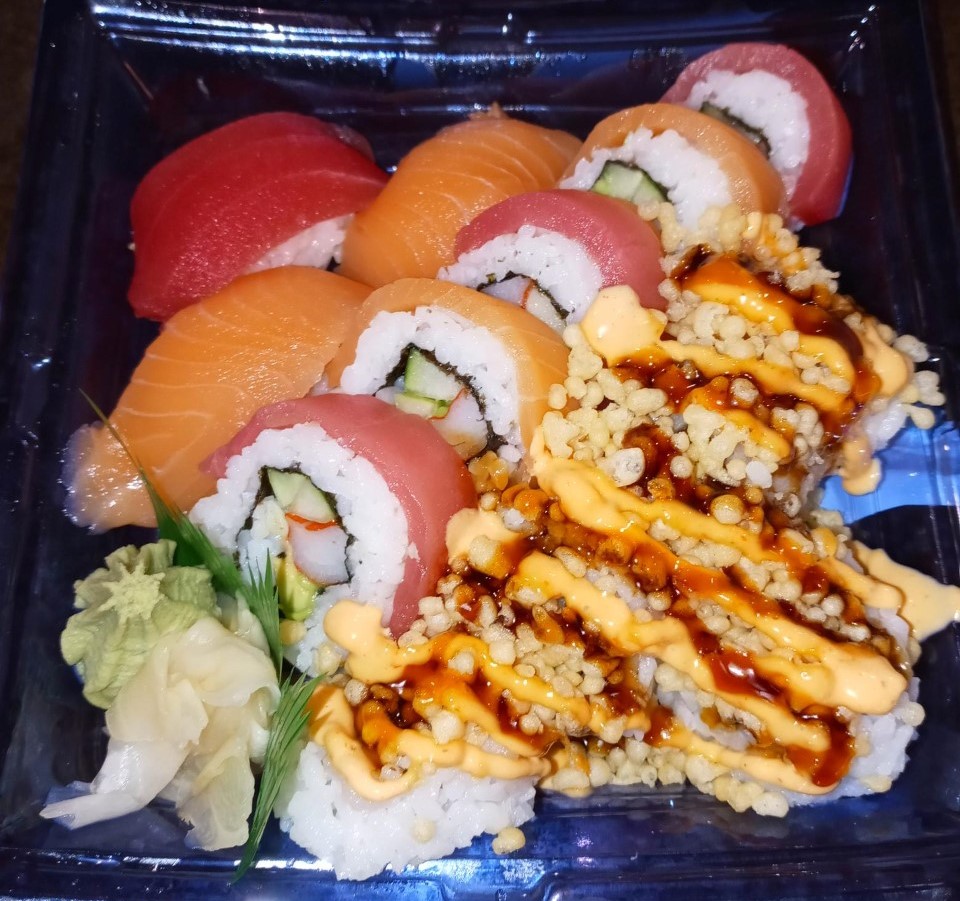
Yes, there is sushi available in the Welch Cafe, and yes, I had to try it. There was a sushi chef making it fresh every day, at least around lunchtime, and then they would remain in the “grab and go” cooler for the dinner crowd.

It was pretty much on par with grocery store sushi, and I figured if it gave me any problems, I was already in a hospital. This was the sushi sampler platter I chose. It looked pretty, and eating it felt luxurious, like I didn’t even deserve to be enjoying something this nice while my wife was resting and healing several floors above me.
The sampler ($10.89) included some tuna and salmon nigiri, some California rolls wrapped in tuna and salmon, and a volcano roll topped with crispy rice, spicy mayo, and eel sauce. Like I said, it was fresh, and it was luxurious. I haven’t had any sushi since then, but just looking at this picture, I’d get something similar again without trepidation.
The Welch Cafeteria even had desserts! I had to try the tres leches ($2.49), and it was perfectly fine, if not up to the standard of Miami’s legendary Cuban restaurant Versailles:

At one point, I brought this cookies and cream cheesecake (probably also around $2.49) back up to our room to share. It was also fine, but I think my wife would have enjoyed it more under almost any other circumstances: 
After nine days there immediately after her surgery, she was transferred to the inpatient rehabilitation unit in AdventHealth Winter Park for almost three weeks of intensive physical and occupational therapy. It is a much smaller hospital, with a commensurately smaller cafeteria in the basement. The onion rings definitely aren’t as good there — kind of soggy — but on this day, the special was a surprisingly spicy and tender beef dish that was probably braised, or maybe even cooked in a slow cooker or a pressure cooker. I liked it quite a bit. My wife didn’t want anything to do with it.

I always crave hot dogs around summer holidays, and usually buy a pack around those times of year to cook at home. We spent Memorial Day in the hospital, so I grabbed this simple all-beef hot dog ($2.79) from the basement cafeteria that day. It tasted a lot like a Costco hot dog, but not as cheap, as big, or quite as good. With packets of yellow mustard and relish, it transported me away for a few brief bites to an imagined backyard cookout with friends, before I found myself back at my wife’s hospital bedside.

On one of the last days before she was discharged, the cafeteria offered a gyro as a daily special ($4.79). I have a hard time turning down gyros anywhere, so I had to try it. The processed, seasoned, sliced gyro meat (usually a blend of beef and lamb) was topped with shredded lettuce and sliced tomatoes, served with a tiny cup of creamy, tart tzatziki sauce, and served on a warm flatbread-style pita, it was comfort food. Nowhere near as good as Orlando’s best gyro at Mediterranean Deli, but still better than many of the other meals I had eaten over this past month. These onion rings ($2.69) were slightly better than that first bunch, too.

But the highlight of this cafeteria was the customizable 6″ personal pizzas for $3.99, made to order with the ingredients of your choice, and then baked in a tiny, powerful oven and presented to you two or three minutes later. These were better than they had any right to be from a basement hospital cafeteria! (Technically, they were underground pizzas, but a fella named Brad has built his brand around that moniker.)
I went all out with beef sausage, turkey ham, turkey pepperoni, red onion, jalapeño peppers on my pizza. When it came out of the oven, the gentleman brushed the crust with garlic butter, and upon my request, drizzled it with balsamic glaze. It was a damn fine pizza, I have to admit. 
I brought a couple of those basement (not underground!) pizzas back for my wife, who preferred them to most of the daily trays from Nutritional Services. Longtime Saboscrivner scholars may remember she isn’t into tomatoey sauces, so I would order her pizzas to be brushed with a garlic butter base, and then I’d request beef sausage and mushrooms on them for her. 
So that’s what hospital staff and visitors can eat, but what about patients in their rooms? Well, Nutritional Services delivers three meals a day to patients, and they offer a surprising amount of choices. I tried to figure out a pattern for weeks, and then in our final week, they brought us the actual menu, which I have photographed here. (Right-click and open them in new tabs for larger images.)
 If someone from Nutritional Services manages to catch a patient in her room (between physical and occupational therapy appointments, in my wife’s case), they will take her order for all three meals for the next day, entering her choices on a tablet. If not, the patient will just get whatever the daily specials are. Since my wife really has to be in the mood for specific foods even when she isn’t distracted by chronic pain, post-surgical pain, and new pain from grueling therapy, I ended up helping her eat a lot of meals she wasn’t in the mood for and didn’t want anything to do with. Also, I obsessively saved condiment and seasoning packets in our room, much like I imagine prisoners doing to make prison food more tolerable.
Do yourself a favor — if you are admitted as a patient at AdventHealth, ask Nutritional Services for a printed menu, so you can see what all the options are at all times, since they don’t always tell you every single thing you can choose from. That way, you can also be more prepared when they come to your room to take your order.
These beef sausages, one of the Nutritional Services option for patients’ in-room breakfasts, are the same ones you can get sliced on your cafeteria pizzas. They might not look very appetizing, but I really liked these, and even my wife embraced the greatness of the beef sausage by the end of her stay. They were very savory, with a different texture than standard pork breakfast sausage, not as greasy, and not nearly as heavy with sage either. I would order these in my beloved Waffle House or at another breakfast joint if they were available, or even buy them at the store to make at home. 
Sliced brisket with chimichurri sauce, always served with a soft corn souffle (I amused myself by calling it “corn pone,” a term that cracks me up for no real reason) and green beans. I make much better green beans, but I actually liked this quite a bit, and even my wife did too.

Chicken tenders. A little bland and way too small to satisfy, but perfectly adequate, especially with some Ken’s honey mustard dressing as a dip.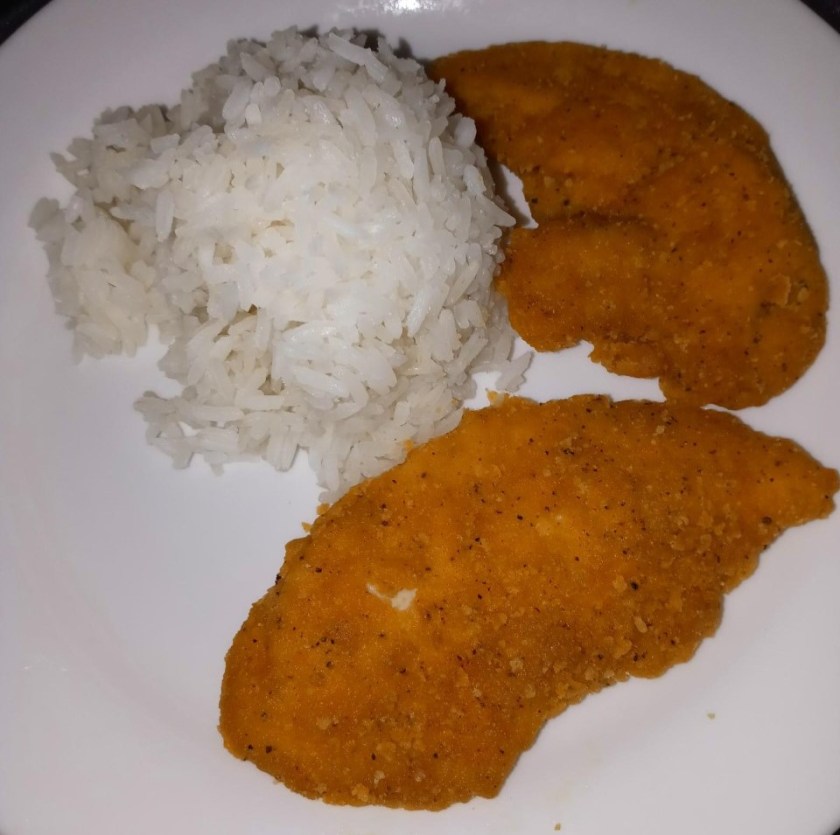
Macaroni and cheese and baked sweet plantains. My two favorite sides with any lunch or dinner orders. I would always try to remind her to order them for me, or request to substitute them instead of boring sides like the plain white rice pictured above. The mac and cheese was similar to what you would get at a lot of barbecue joints and Southern “meat and three”-style diners or cafeterias. Of course I’ve had better, because this is a hospital, but I’ve had much worse. These came with an eggy “spinach patty” that my wife kinda sorta liked, but it didn’t do much for me.

A cheeseburger that had that Burger King flame-broiled taste. It was a little dry and not terribly juicy, but I appreciated having the general flavors and textures of a cheeseburger for the first time in a month.

My wife also ordered several vegetarian Beyond burgers as alternatives to the daily specials, which meant I ended up finishing several Beyond burgers throughout our stay. We both used to like those, but I think we burned ourselves out on them for all time.
Lasagna rollatini, with ricotta cheese inside. Like I said, my wife famously doesn’t like tomatoey sauces, but we quickly learned these are too dry and pretty bland with sauce served on the side, or not at all. At least I thought they were definitely better with the sauce on them. With just a few days left in her stay, we learned from the brochure that she could have been requesting the lasagna roll-ups with pesto sauce all along, but we never got to try that.

Chipotle chicken breast, served with yellow rice and “fajita vegetables.” The chicken was always dry, but it had a little bit of heat, and I would eat it because she never wanted anything to do with it.
Mojo cod, served with white rice, black beans, a whole wheat roll, and more of those plantains. Not her thing at all. Not really mine either (but for the plantains), but I always ate it until I convinced her to request other stuff on mojo cod days.

In those final days, once we had the Nutritional Services menu and knew there were other options to choose from, my wife ordered me sandwiches with soups, while she drank Ensures and ate snacks I brought to the room from Trader Joe’s. She knows how much I love sandwiches.
A cold roast beef sandwich on marble rye with three-bean chili. I liked both, especially adding a bit of mustard to the sandwich. The chili reminded me of a vegetarian version of Wendy’s chili, so not the worst thing in the world. It also provided amusement for both of us later.
A cold turkey and havarti sandwich on marble rye, improved by yellow mustard and mayo, with chicken noodle soup (never my favorite soup):

I didn’t remember to photograph all the meals, but these were a few that (unfortunately) showed up more than once:
Sliced turkey with cranberry sauce, mashed potatoes, and steamed carrots. She couldn’t even deal with the smell of this one, but I thought it was okay. I do stand by the controversial take that the traditional Thanksgiving dinner is bland and boring AF.
Bruschetta chicken breast (dry), covered with diced tomatoes, and served with unsauced penne pasta, underdone brussels sprouts, and splashed with balsamic vinegar. This could have been a much better dish than it was. I make pretty good brussels sprouts at home by oven-roasting them, and the few times I had this meal, it inspired me to improve my brussels sprouts game even more.
Spaghetti and meat sauce with broccoli. I ate it every time because she wouldn’t, and I can’t abide by wasting food. I love spaghetti and meat sauce. I couldn’t bring myself to love this spaghetti and meat sauce.
Pot roast. Just like a lot of people’s pot roast, you can chew it forever and nothing happens. It made me want to experiment with pot roast when we got home, to try marinating and braising and using ingredients like bold Italian vinaigrettes and jars of spicy pickled giardinera vegetables.
Nutritional Services also offered desserts and snacks. None of the baked goods were great, but I rekindled my lifelong love of orange sherbet, and now I feel the need to buy some to keep in the freezer at all times. (No, Megan Draper, it does not smell or taste like perfume!) And I taught my wife the joy of using graham crackers to scoop up vanilla pudding.
So that’s pretty much it. I also brought in takeout for us a few times, but for 30 days, we lived in these two AdventHealth hospitals and mostly ate hospital food. Some things were surprisingly good, or at least better than you would expect. Others were much, much worse. I’m glad that she was discharged just over a week ago, and now I’m able to go grocery shopping again, to cook for us again, and to take my wife out to eat wherever we want again. I sincerely hope you stalwart Saboscrivnerinos never have to spend this much time in the hospital, so you never have to try most of these meals for yourselves, but I also hoped this would be an interesting look at some of Orlando and Winter Park’s most “exclusive” dining.


 The thing on the left above is an extra plain fried bake ($2) that I ordered for my wife, since I knew she wouldn’t be into the smoke herring.
 The cream soda reminded me a little of a bubble gum flavor, maybe banana, possibly cotton candy, but it didn’t have the vanilla flavor I’m used to from American cream sodas. But don’t get me wrong, I liked it, and I’m glad I tried it. I’m trying really hard to drink less soda, but I always like to try different root beers, cream sodas, and orange sodas.


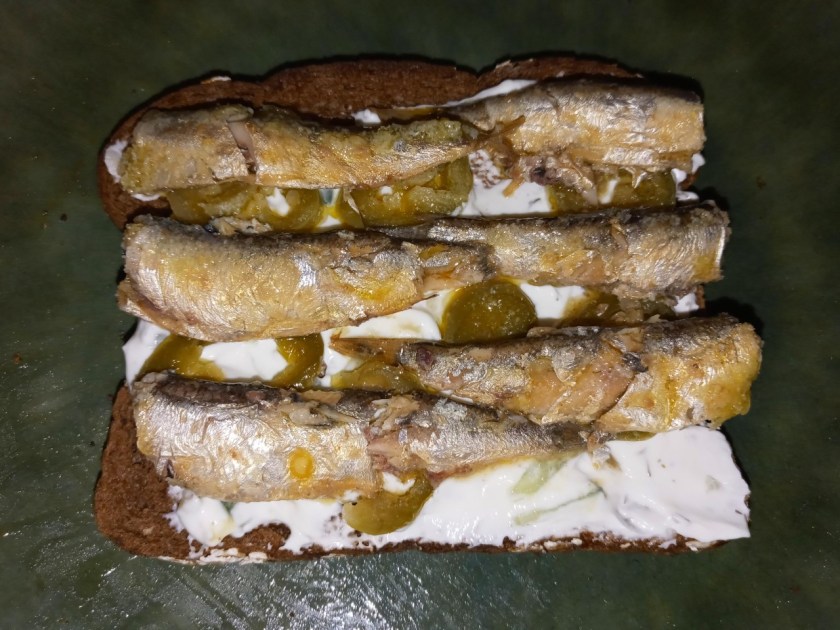


 I’m not a big fan of black olives, so I bought this can specifically to review here on The ‘Dines List. You’re welcome! I ate the whole can, though — olives and all, to get the full Mediterranean experience.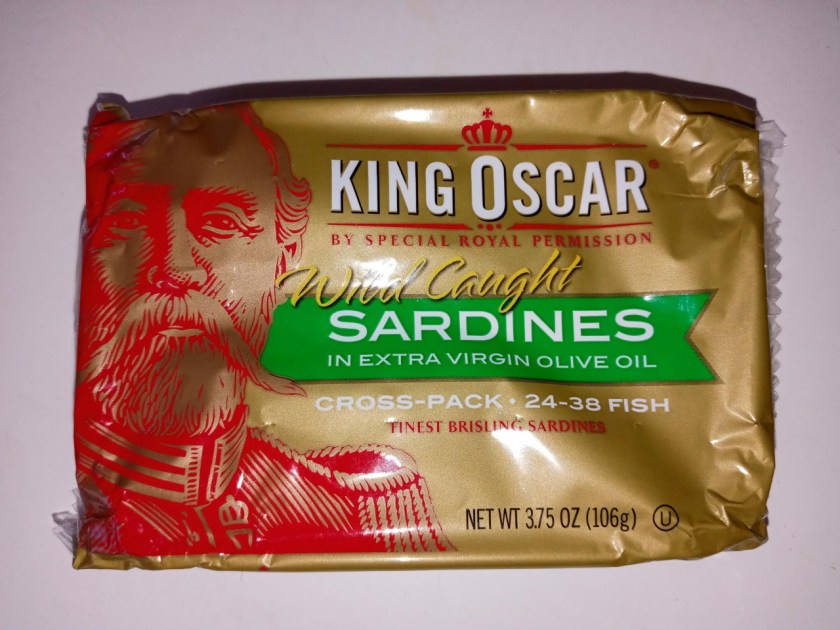
 The cross-pack is usually about a dollar more expensive than the other varieties, but I don’t like them quite as much. Don’t get me wrong, they are fine, and might even be a good “gateway” sardine for the uninitiated, but I just prefer the taste of the jalapeño two layer variety. The cross-pack ‘dines are definitely blander, but you can include them in some really creative recipes and jazz them up that way.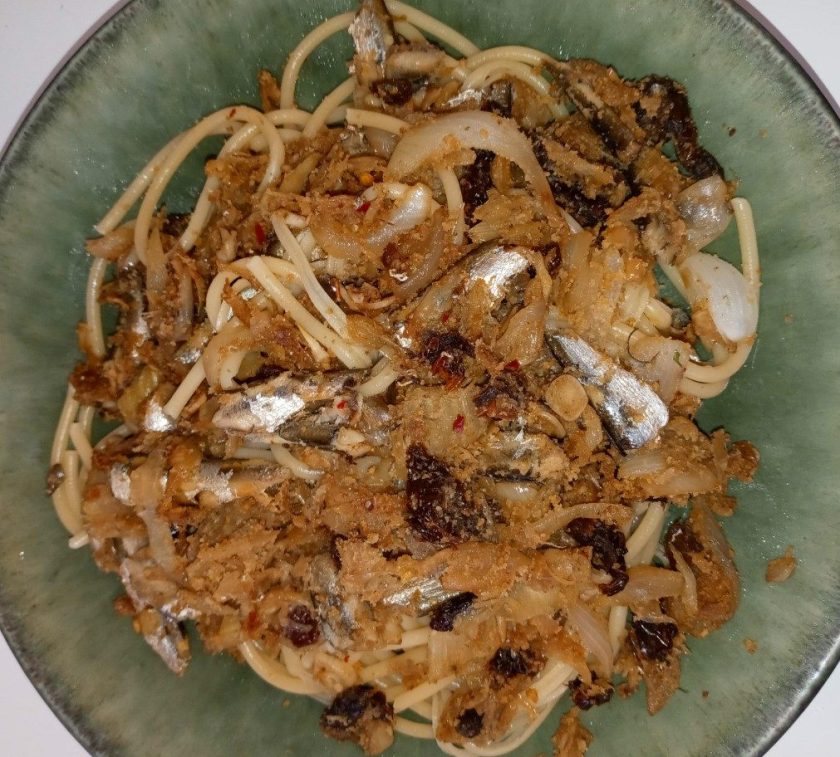


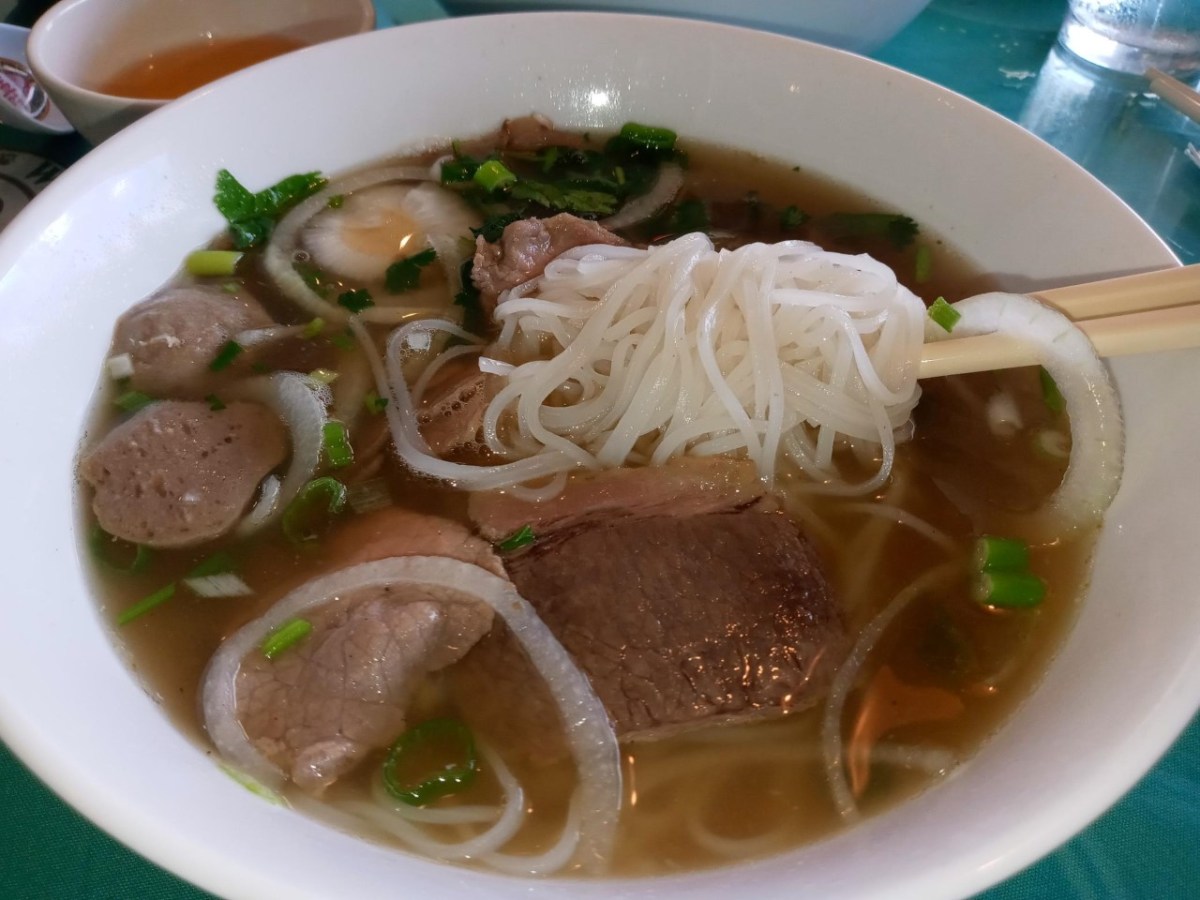
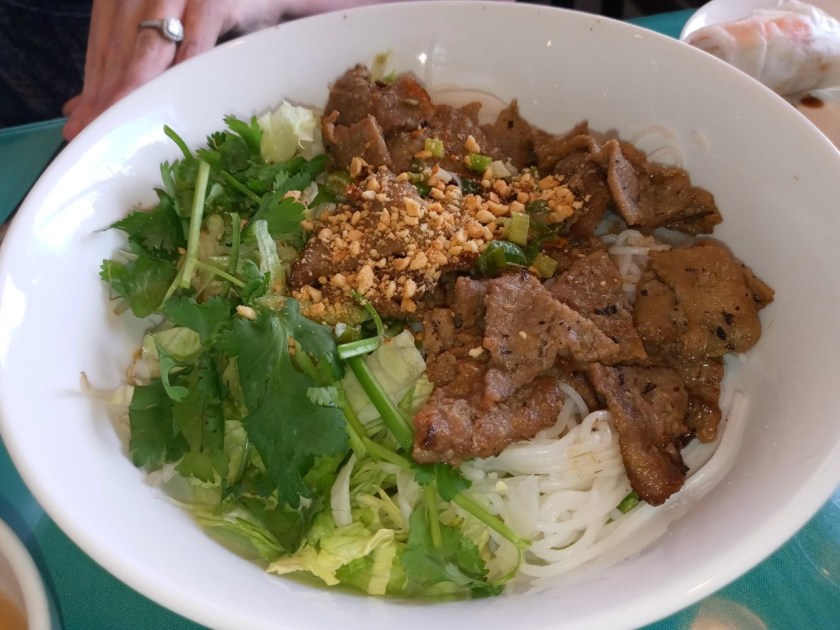

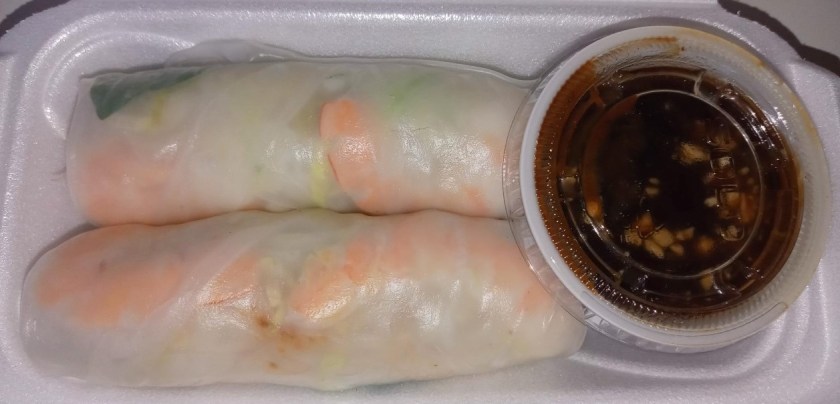
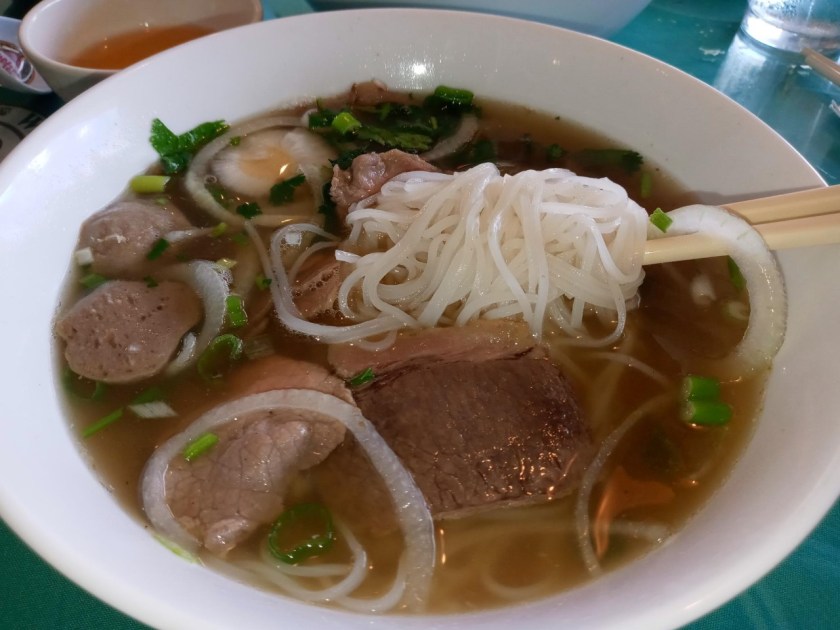 Any Vietnamese restaurant will serve phở with a plate of several fresh herbs and additional ingredients to add, so diners can customize their soup to their hearts’ content. I always tear up fragrant fresh basil leaves and crunchy sliced jalapeño peppers (these are fresh; much spicier than the pickled kind from a jar, so don’t touch your eyes!), but I prefer to leave the crispy bean sprouts out of my phở. If I get lime wedges, I’ll usually squeeze some lime into my phở and some more into my glass of water. Then there are condiments: hoisin sauce, sriracha (overrated hot sauce), and sambal oelek (thicker, chunkier hot sauce). I’ll usually add just a tiny spoonful of sambal too, but only after tasting the pure, unadulterated broth first. As you might have guessed, my wife prefers plain phở, just as it comes out of the kitchen… but with as many onions fished out as possible.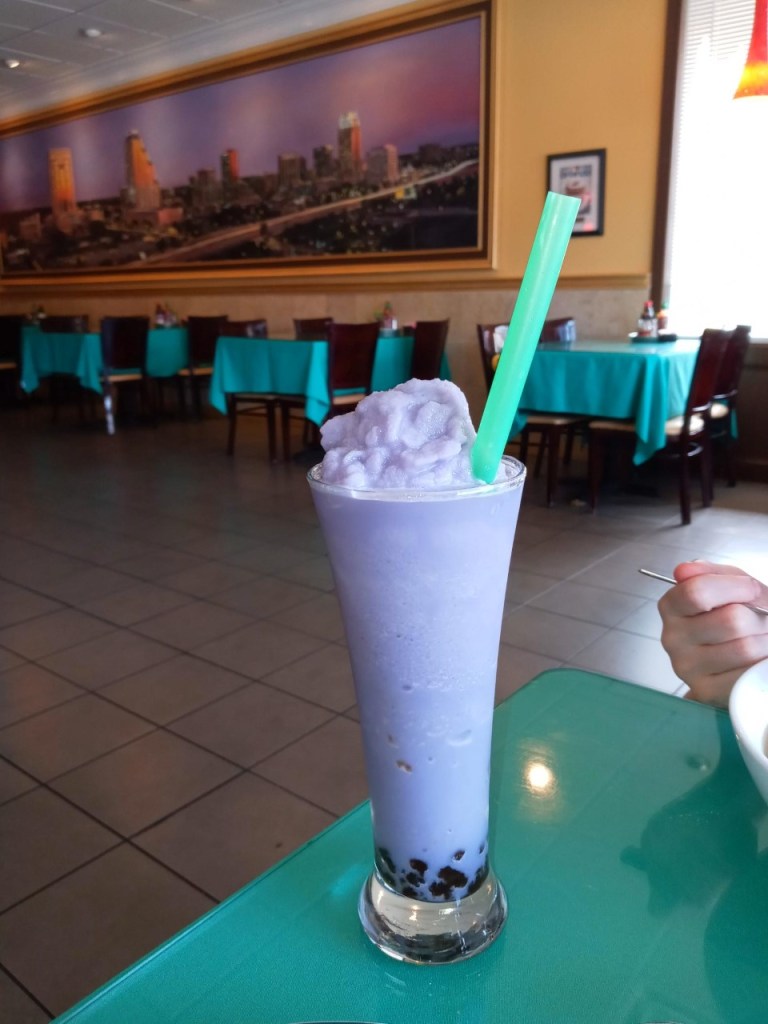

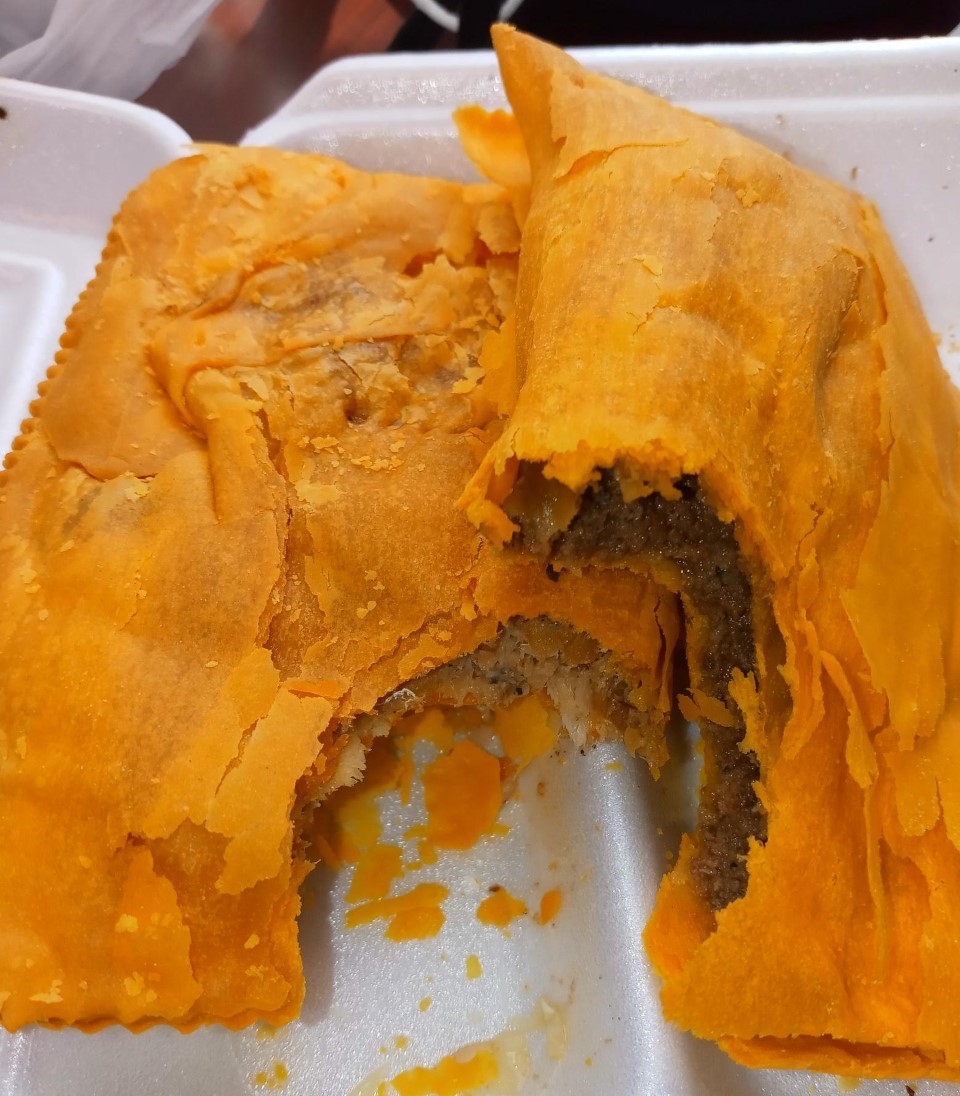


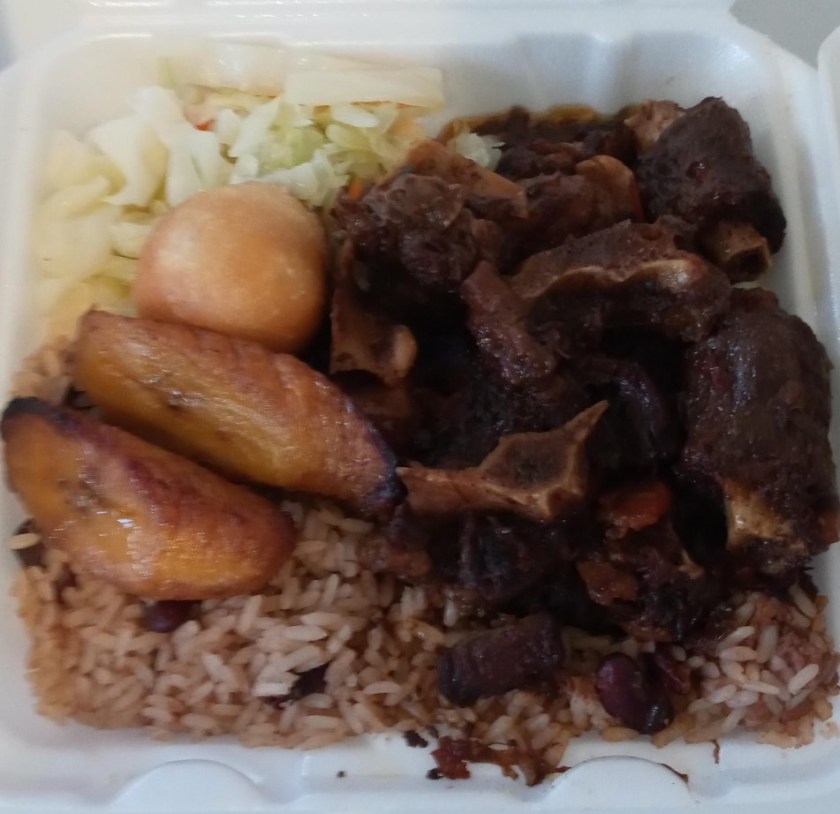

 I traded a piece of my jerk pork for a piece of her brown stew chicken, and all three of us who tried it agreed how good it was.
 Never mind the chicken wing on top of the cabbage in the picture above — you won’t get that in a jerk pork meal unless you trade some food with your friend.

 I just heat up the frozen pretzel sticks on a tray in the toaster oven for nine minutes at 350 degrees, and they come out crackly and crispy on the outside, soft and fluffy on the inside. They are way better than you’d think frozen pretzels could possibly be — better than many fresh soft pretzels I’ve had. Plus, pretzels are a perfect mustard delivery device, so let the grand experiment begin! On to the mustards!
 I have never been a huge fan of any Dijon mustards for everyday use on things like sandwiches, hot dogs, or burgers, so I wasn’t enamored with a big dollop of Sir Kensington’s Dijon on the soft pretzel here. If you’ve had the more famous Grey Poupon (but of course!) or even a cheap store-brand Dijon, you know what you’re trying here — smooth texture, a little flavor from white wine, a little spice you can feel in your nostrils. But I keep this particular mustard on hand for one purpose: LAMB. Dijon goes so well with the rich and slightly gamey flavor of lamb, which my wife and I both love. I buy thick-cut lamb loin chops at Costco, rub them with Dijon mustard, sprinkle with salt and pepper and whatever herbs I feel like using, and roast them until they are rare. It’s a winning flavor combination, and one of the only situations where my wife tolerates any form of mustard.
 I don’t think Mild & Creamy Dijon is spicy or pungent enough to complement hot dogs or classic Jewish deli-style sandwiches like pastrami, corned beef, or tongue, where the salted, cured meats usually beg for something tangy, spicy, or garlicky. But for more everyday sandwiches, it’s a wonderful choice, and I did not mind having some straight up on the soft pretzel.
 I haven’t eaten enough tarragon in my lifetime to confidently, competently describe what it tastes like on its own, and it isn’t terribly garlicky either. Think of this as a yellow mustard that isn’t as “bright,” tangy, vinegary, or salty as you’re used to from a lifetime of cookouts. There is an extremely subtle sweetness to it that isn’t there in regular yellow mustard. I’ve tried it in several sandwiches since my first taste, including with some sardines, and also mixed it into chicken salad, where it is pretty inoffensive. I didn’t love it, but didn’t hate it either. At least the price was right.
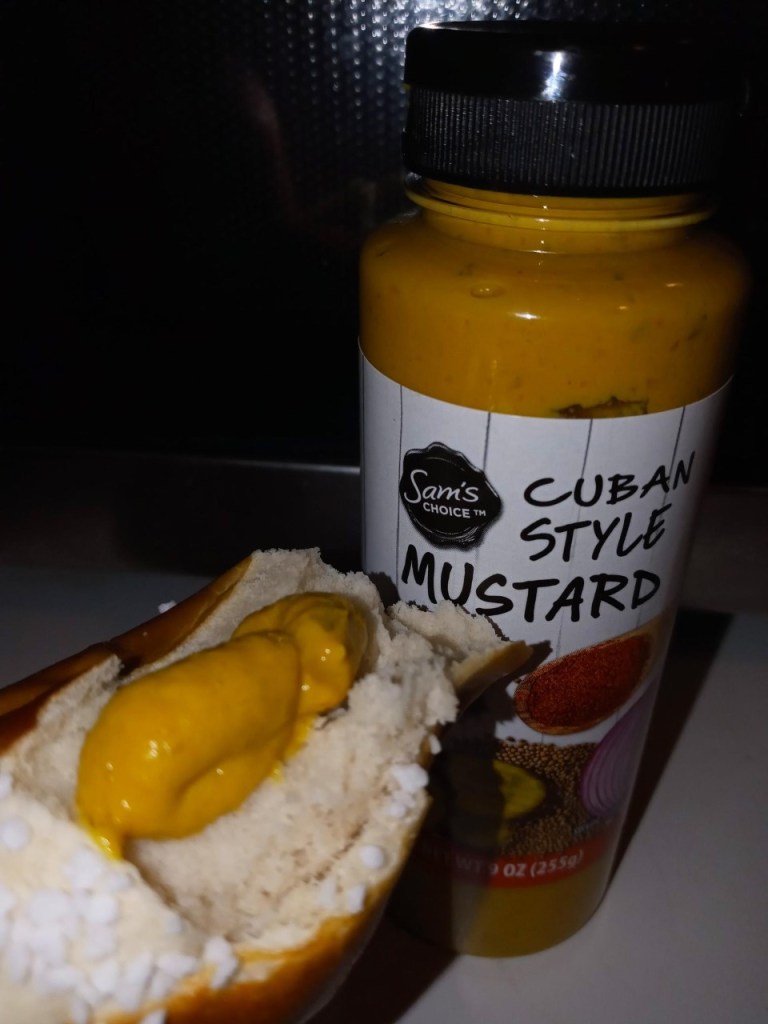 I stocked up on a few bottles of this, because I don’t go to Walmart that often, but it is really good. Publix doesn’t carry any equivalent of this, and Winn-Dixie carries a Cuban mustard from the Plochman’s brand, which is a few dollars more than the Sam’s Choice. I haven’t tried the Plochman’s Cuban yet, but at least I know I like this one a lot for anything that normally calls for yellow mustard.
 It’s on the creamy side, and very pickley. It tastes more like sour pickles than dill. Normally I’d put mustard and pickles on burgers or sandwiches, so I’m trying to think of uses where you might want this mustard to cover both bases, without making it redundant by using actual pickles. I also dipped some homemade sweet potato oven fries in it and mixed a lot of it into some chicken salad, and those worked okay. I think I’d rather use other mustards and then just add
  I think it would work well in a sandwich with savory meats like roast beef and turkey. It would be an inspired main ingredient in a glaze if you were baking a ham (and then you could leave out some sugar), but it might be a little much spread onto a sweet ham sandwich. It would be great as a dip for heavy, salty fried foods like french fries or fried chicken, or made into a barbecue sauce.
 This mustard would go well on or in anything. If you can find a jar, treat yourself and pick one up, even at regular Robert Rothschild prices. I give it my highest possible Saboscrivner recommendation.

 The whimsical plating in the little cart adds to the pani puri party atmosphere here. Since there were eight pani puri puffs, I was methodical and tried two plain, two splashed with the sweet water, two splashed with the spicy water, and two splashed with both. I couldn’t even tell you which one was best, because I loved every possible permutation.
 Looking it up later, I learned that “pav” just means bread, but it comes from the Portuguese word “pão” for bread, since Portuguese explorers (colonizers) brought their bread recipes to India. I have enjoyed all the Indian breads I’ve tried before — naan, roti, parathas, and kulcha — but pav was completely new to me, and yet completely familiar.


 We all pulled pieces off this colossal crepe, and dipped our divided dosa in a lentil-based vegetable curry called sambar, along with coconut chutney (in the smaller cup). No double-dipping was done.





 My wife is going through a major falafel phase, so I think we added on a few extra falafel balls for her (75 cents each). The extras came packaged separately, but trust me, they look the same as the ones above.


 The Saboscrivner